Every skincare routine has this frustrating moment: you put on moisturizer in the morning, your skin feels nice for a few minutes, and an hour later that tight feeling is back. So you switch to a richer cream, use more of it, maybe splurge on something luxurious - and your skin still acts like it “didn’t get enough.”
The obvious conclusion is that the cream isn’t absorbing, or isn’t penetrating. That’s where the misunderstanding starts, because a moisturizer isn’t meant to sink as deep as possible. Most of its important work happens in the outer layer of the skin, where it binds water, softens, and slows water loss to the environment.
It’s also why two creams that look identical to us behave completely differently. One can feel rich and oily and still leave that dry, tight feeling in place, while a lightweight gel-cream over the right serum leaves skin far more balanced. “The best moisturizer” isn’t one category. The cream I want at night on very dry skin isn’t the one I want thirty minutes before foundation.
What does a moisturizer actually do?
Moisturizers run on three main ingredient groups: humectants, emollients, and occlusives. Humectants, like glycerin and hyaluronic acid, draw in and bind water. Emollients fill the gaps in the outer skin layer so it feels softer and more supple. Occlusives lay down a layer that slows water loss. It’s a system, not a single miracle ingredient.
Oily, dehydrated skin can love humectants and still feel smothered under a rich, occlusive layer. Very dry skin can feel wonderful right after hyaluronic acid, then go tight again an hour later because nothing in the routine is locking that water in. So when someone tells me “my moisturizer isn’t working,” my first question isn’t which cream to buy instead. It’s what that skin is actually missing.
Why does moisturizer sometimes feel like it isn’t working?
We say the cream “isn’t absorbing,” but that’s rarely what’s actually happening. The cream may be loaded with humectants and short on the emollients or occlusives that hold the result in place. The barrier may be compromised, so water escapes faster than the cream can slow it down. Cleansing may be too harsh, the routine may have too many acids or retinoids stacked into it, or the texture may simply be wrong for your skin.
There’s one more common culprit: you’re treating dehydration with a heavier cream when the skin needs more water, not more oil. That’s where a serum earns its place.
Do you need a serum before moisturizer?
Not always. If your skin feels great on moisturizer alone, don’t add a serum just because a routine is “supposed to” have one. But if you’re using a rich cream and your skin still reads thirsty, add a simple hydrating serum underneath. A humectant-rich serum lays down a watery layer of hydration, and the cream on top seals it in. Two thin layers beat one very heavy cream more often than you’d think.
It also explains why a very luxurious cream can still leave you short of the result you wanted. Price can’t make up for a routine that isn’t giving the skin what it’s actually missing.
Expensive moisturizer vs. cheap moisturizer - what are we really paying for?
Whatever the shelf price implies, there’s no linear relationship between what a cream costs and how well it hydrates. A CeraVe cream can contain ceramides, glycerin, hyaluronic acid, and excellent ingredients for supporting the skin barrier. A luxury cream at five times the price does not deliver “five times more hydration.”
So why does it cost more? Sometimes you’re paying for a more elegant formulation, delivery systems, extra actives, peptides, and antioxidants. Sometimes for research and technology. Sometimes for a better texture and how the cream behaves under makeup. And yes, sometimes for a beautiful jar, a scent, marketing, and a name. None of that is automatically wrong. Just know which one you’re buying.
CeraVe - why can a cheap cream be excellent?
9.2/10 · Value for money: 9.7/10
CeraVe is my go-to proof that a moisturizer doesn’t have to be luxurious to be good. The brand is built largely around barrier support and ceramides, so if you want a simple, reliable cream, there’s no reason to feel pushed “up” to something that costs hundreds of dollars.
There’s another side to that, though. A cream can be excellent for barrier support and still not feel the way you want it to. Plenty of people find CeraVe doesn’t give them enough hydration, or want a more elegant texture. That’s fair. A good formula isn’t automatically the right formula for you.
What I look for on an ingredient list
Less any one trendy ingredient, more the overall structure of the formula. Glycerin, hyaluronic acid/sodium hyaluronate, ceramides, squalane, shea butter, jojoba oil, dimethicone, and petrolatum can all be useful ingredients - but not every skin needs all of them, and certainly not in the same amount.
For sensitive skin, I also look at what’s missing. Fragrance is the first thing I check on reactive skin - but don’t fall for the internet’s “toxic ingredients” lists. Alcohol denat., fatty alcohols, silicones, and preservatives are not the same thing. Cetyl alcohol and cetearyl alcohol, for example, are fatty alcohols used as emollients and formula stabilizers - they’re not the same as a volatile drying alcohol. Still, a specific skin can be sensitive even to an ingredient considered completely safe for most people.
Why can Korean creams sometimes cause sensitivity?
Korean skincare rewired how we think about hydration. Thin layers, essences, gels, fermented ingredients, Centella, propolis, rice, snail mucin - a whole world of formulas more interesting than the classic moisturizer. But “K-Beauty” is not a synonym for “good for sensitive skin.” Formulas loaded with plant extracts, ferments, essential oils, and botanicals add variables that very reactive skin has to handle. Natural isn’t the same as gentle. I don’t recommend a cream because it’s Korean. I recommend it because of the formula.
For skin that needs calming down
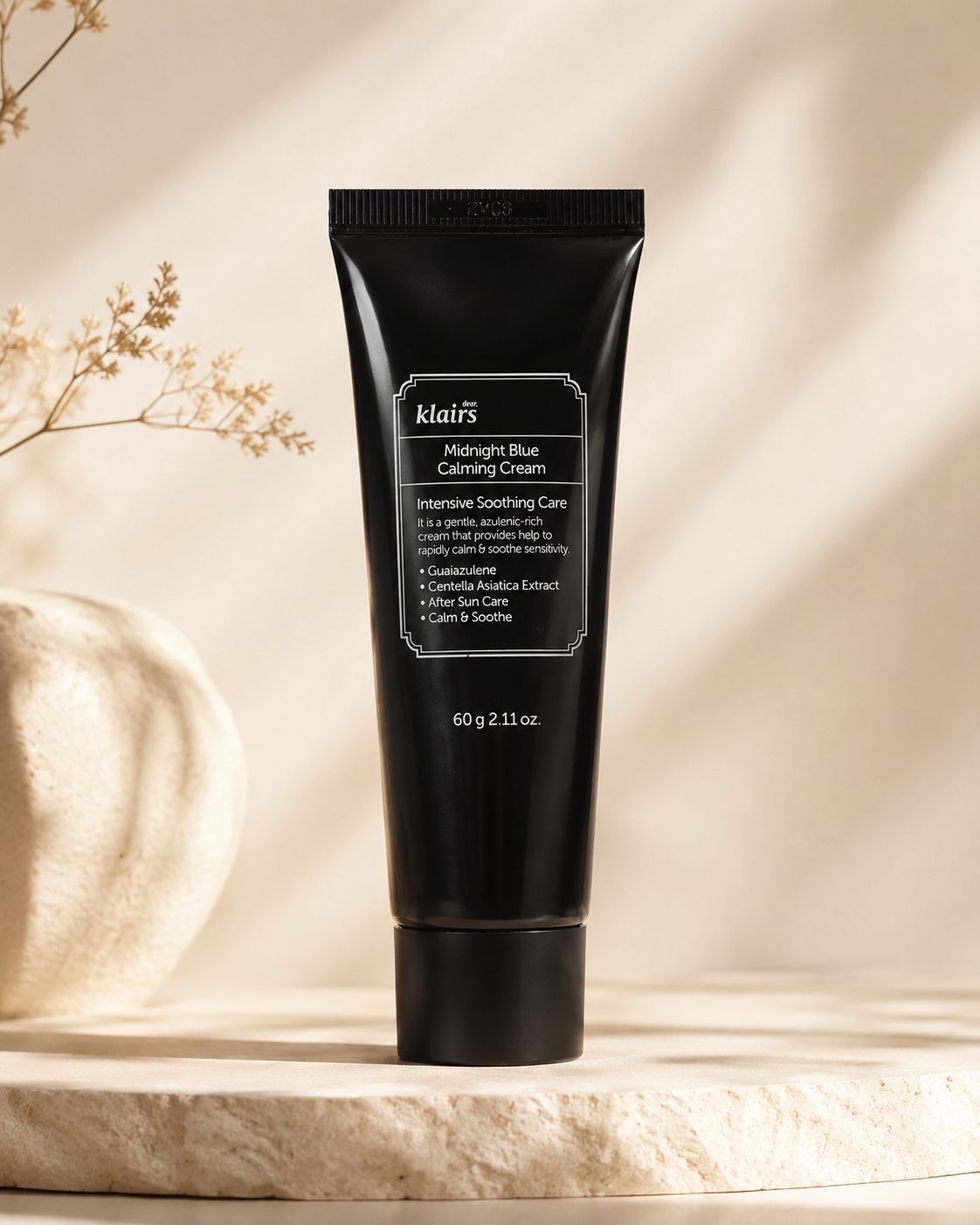
Dear, Klairs Midnight Blue Calming Cream
9.4/10 for soothing
I love Klairs’ blue cream precisely because it isn’t “just another moisturizer.” The current formula includes guaiazulene, Centella asiatica, glycerin, shea butter, jojoba, and ceramide NP. The brand itself has positioned it over the years more as a calming-focused product than as a standard rich moisturizer.
Here’s the split I use: dry skin, and I’m after hydration. Agitated, red, irritated skin, and Klairs gets interesting. Not every soothing product is the best cream for dryness, and not every rich cream knows how to calm skin that’s reacting.
Clinique Moisture Surge 100H
9.5/10
Moisture Surge is what I reach for when I want serious hydration without jumping straight to a heavy cream. It’s a lightweight gel-cream, Clinique defines it as fragrance-free and without drying alcohol, and it includes hyaluronic acid and aloe bioferment, among other ingredients. It’s the texture I love most for dehydrated skin that isn’t necessarily dry. On very dry skin, it won’t always be enough on its own.
Which brings back the distinction worth repeating as often as it takes: dry skin and dehydrated skin are not the same thing. Oily skin can be completely dehydrated, and piling on a richer cream won’t fix it.
Sebocalm
9.4/10 for soothing
Sebocalm is my proof that a product doesn’t have to be trendy, expensive, or heavily marketed to be genuinely useful. In my experience it’s wonderful on skin that’s red, irritated, or flaring, and I especially love how soothing it feels during a seborrheic flare-up.
I do separate cosmetic experience from medical treatment here: it isn’t a medication for seborrheic dermatitis. For a significant or ongoing flare-up, a moisturizer is no substitute for a dermatologist. One more thing - I love it far more as a soothing cream than as makeup prep.
Embryolisse Lait-Crème Concentré - why do makeup artists love it so much?
If there’s one moisturizer that’s become almost part of professional makeup-artist folklore, it’s Embryolisse Lait-Crème Concentré, and that reputation wasn’t born yesterday on TikTok. It was created in France in 1950 by a dermatologist, and later became a cult product among makeup artists. Embryolisse itself presents it as a makeup base that’s lived in professional kits for decades.
So what do makeup artists actually get from it? Not a revolutionary active. What they get is the surface it leaves behind. The formula contains, among others, mineral oil, beeswax, shea butter, aloe, and soy protein - a combination that gives skin softness and slip, smooths dry patches, and leaves a supple surface foundation can melt into.
That’s the whole point before makeup. On slightly dry skin, a full-coverage foundation catches on the texture and goes patchy. Embryolisse softens it so the makeup stops sitting on top of the skin. It’s versatile, too: a little on normal skin, more on the dry areas, or placed exactly where it’s needed.
Why do makeup artists reach for it? Because before makeup, nobody’s after the moisturizer with the most impressive actives list. They’re after skin they can work on. Soft. Supple. Not too dry, not too greasy. The kind that lets foundation melt in instead of sitting on top. Embryolisse delivers that.
Does it suit everyone? No. The current formula contains fragrance, so for very sensitive skin, or anyone reactive to fragrance, it isn’t my first pick. And on very oily skin I don’t want that much richness and softness across the whole face. But as a makeup artist’s moisturizer? I completely understand how it became a classic.
Embryolisse Lait-Crème Concentré 9.0/10 as a moisturizer · 9.7/10 as makeup prep See the full breakdown above - the star of this article for use as skin prep before makeup.
Glow Recipe - when moisturizer becomes part of the Glass Skin trend
Glow Recipe belongs to an entirely different generation of moisturizers. Where Embryolisse comes out of makeup artistry and the French pharmacy, Glow Recipe speaks the language of K-Beauty, Glass Skin, and light, radiant textures. Two of their creams are worth pulling apart, because they’re aimed at genuinely different skin.
Watermelon Glow Pink Juice Moisturizer
9.2/10 for combination-oily skin
An oil-free gel moisturizer built for oily and combination skin. It contains 79% watermelon extract alongside humectants and botanical ingredients, and the brand defines it as non-comedogenic. It’s exactly the cream for anyone who says, “I need hydration, but every cream makes me greasy.” Light, glowy, and not trying to wrap the skin in a heavy layer.
There are a lot of botanical extracts in it, though, and the sensory experience is a big part of the product. On very sensitive skin I’d patch-test carefully and not assume “watermelon” means gentle.
Plum Plump Hyaluronic Cream
9.3/10
This is the one I’d look at for skin that wants more plumping and hydration. Glow Recipe positions it for dry skin and fine lines, and it’s built as a richer jelly-cream. If Pink Juice says “hydration without oil,” Plum Plump says something bigger: I want skin that looks full, juicy, and dewy.
Tatcha - are we mostly paying for luxury here?
Tatcha is the perfect case study for a piece about cheap versus expensive, because its creams sit right where skincare meets luxury experience. The brand also offers several very different textures.
The Dewy Skin Cream
9.3/10 for dry skin · Value for money: 8.2/10
The cream I reach for when I want dewy, plump, rich skin. Less compelling on very oily skin, more for anyone who loves the feeling of skin genuinely wrapped in hydration.
The Water Cream
9.1/10 for normal-oily skin
The opposite direction - a lighter texture for anyone who wants hydration without that same richness.
Indigo Overnight Repair
9.4/10 as a night cream
One of the brand’s more interesting products, because it’s built around barrier support and calming redness rather than luxury alone. Tatcha defines it as a redness-reducing barrier cream.
Do you have to pay Tatcha’s prices to get good hydration? Absolutely not. But if you love very polished textures, a sensory experience, and formulas that look beautiful on the skin too, there’s value here that can’t be measured just by asking “how much glycerin is in it.”
Rhode - the cream of the Glazed Skin generation
You can’t talk about trendy moisturizers without Rhode. Hailey Bieber’s brand built an entire vocabulary around Glazed Skin - skin that looks saturated with hydration, smooth, and shiny in a controlled way. Notice what that means: the cream isn’t sold as a fix for dryness. It’s sold as part of a look.
Barrier Restore Cream
9.2/10
The Barrier Restore Cream includes, among others, shea butter, hyaluronic acid, and peptides, and makeup artists have already picked it up as skin prep. What interests me about Rhode is the link between barrier care and a makeup-driven aesthetic. We don’t just want skin that “isn’t dry” anymore. We want it plump, reflective, and alive. That’s a real shift in how the industry sells us moisturizer.
Charlotte Tilbury Magic Cream vs. Embryolisse - which cream is better before makeup?
Magic Cream is the most interesting product to hold up against Embryolisse. Both are tied to makeup. Both are built around prepping skin. Charlotte Tilbury took that concept and made it luxury. So: does it give skin hydration you can’t get from CeraVe? No. But that isn’t the only question.
If a cream makes skin look plump, supple, and glowy and lets foundation look better, it has real value as makeup prep. I just don’t think we should confuse that with a claim that it “repairs” skin five times better than a cream costing a fifth of the price.
Charlotte Tilbury Magic Cream 9.0/10 as a moisturizer · 9.5/10 as makeup prep · Value for money: 8.0/10
| Embryolisse | Charlotte Tilbury | |
|---|---|---|
| Hydration | Very good | Very good |
| Softening dry skin | Excellent | Excellent |
| Makeup prep | Excellent | Excellent |
| Glow | More natural | Higher |
| Luxury experience | Basic | High |
| Price | Relatively accessible | High |
| Makeup-artist kit rating | 9.7/10 | 9.5/10 |
| Value for money | 9.7/10 | 8.0/10 |
If I’m building a professional kit and want a reliable working product I can use again and again: Embryolisse. If I want a very luxurious skin-prep experience with the Charlotte Tilbury feel too: Magic Cream. And the price gap doesn’t mean the skin gets several times more hydration.
Do you actually need a mask?
A hydrating mask isn’t mandatory in a good routine. It’s an add-on. But it can give skin a temporary boost of hydration, softness, and calm, and sometimes that’s exactly what you want. Just know which type you’re using.
- Wash-off mask - stays on skin for a limited time and is rinsed off.
- Sleeping mask - designed to stay on overnight.
- Sheet mask - creates a temporary occlusive layer that holds the serum against the skin.
- Cream mask - usually richer, focused on hydration and nourishment.
I don’t leave a ten-minute mask on overnight on the theory that “more time = more results.” A formula meant to be rinsed off gets rinsed off.
I’m From Honey Mask
9.5/10
One of the masks I love when I want skin soft, nourished, and comfortable. The formula is heavily honey-based and also includes propolis, oils, shea butter, jojoba, and beta-glucan. The instructions allow leaving it on anywhere from about 10 minutes to an hour before rinsing. In terms of frequency, I’d start with once or twice a week - there’s no need to use a mask this rich every day. And if 15 minutes gives you exactly the result you want, there’s no prize for waiting an hour.
Day mask vs. night mask
A day mask is built for a fast effect - hydration, glow, calm, or softness - before you carry on with your routine. A sleeping mask stays on for hours as the last step at night; it can be richer and more occlusive, which helps slow water loss overnight. Don’t pick between them by “which is stronger.” They’re different jobs.
Gold, caviar, and pearl masks - do they have real value?
This is where luxury gets creative: gold, caviar, pearl, diamond powder - all of it sounds far more impressive than glycerin. But I don’t hand a mask points for the ingredient printed in big letters on the box. If a “caviar mask” also contains humectants, lipids, peptides, and an excellent formula, it can be a wonderful mask - but not necessarily because of the caviar. The same goes for gold. A luxury ingredient isn’t necessarily the ingredient doing most of the work.
Is Charlotte Tilbury’s Magic mask really worth it?
Pin down which product you mean first, because Charlotte Tilbury has released a few different masks over the years and they aren’t interchangeable. But the question is more interesting than the product. A mask can deliver an excellent immediate effect: plumping, smoothing, glow. Before makeup or an event, that has real value. What I won’t do is take an instant cosmetic effect and treat it as proof the product changed the skin’s structure. If skin looks wonderful for the evening, great. That isn’t “just” a cosmetic effect - sometimes a cosmetic effect is exactly what you wanted.
A few more classics from Korean skincare
Beyond the creams above, there are a few more Korean products I keep coming back to - more moisturizers, plus some of the layers that go on before the cream and help it work harder. Popular still doesn’t mean right for every skin, but these are worth knowing.
More moisturizers worth knowing
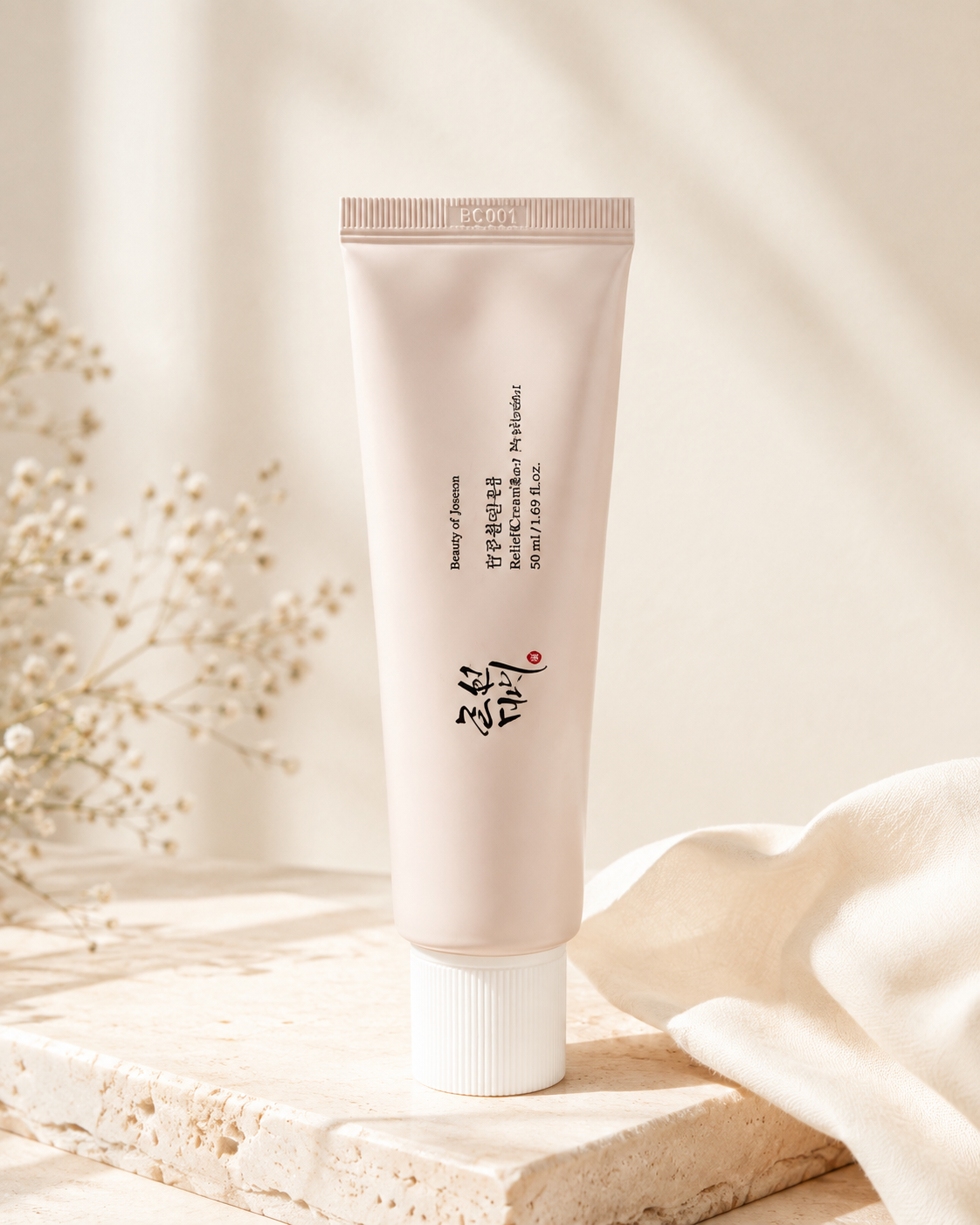
Beauty of Joseon - Dynasty Cream. 9.3/10 for everyday glow. The cream is built around ginseng root water and niacinamide, alongside rice bran water that adds minerals and vitamin E. The texture is medium - not heavy, not greasy - and skin comes out calm and a little more radiant, without feeling layered. When someone wants a Korean cream that adds a touch of glow on top of basic hydration, this is the one I keep coming back to.

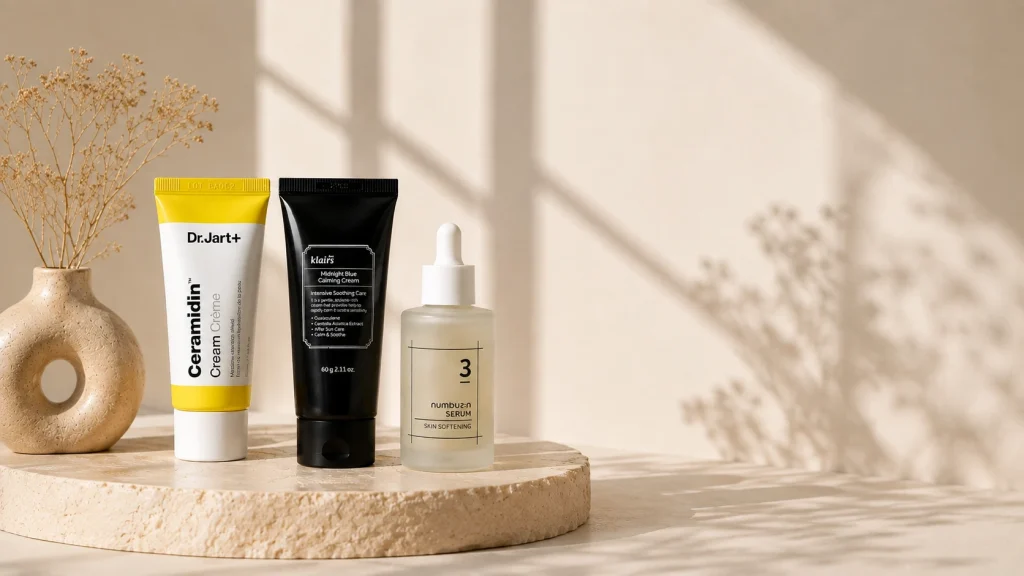
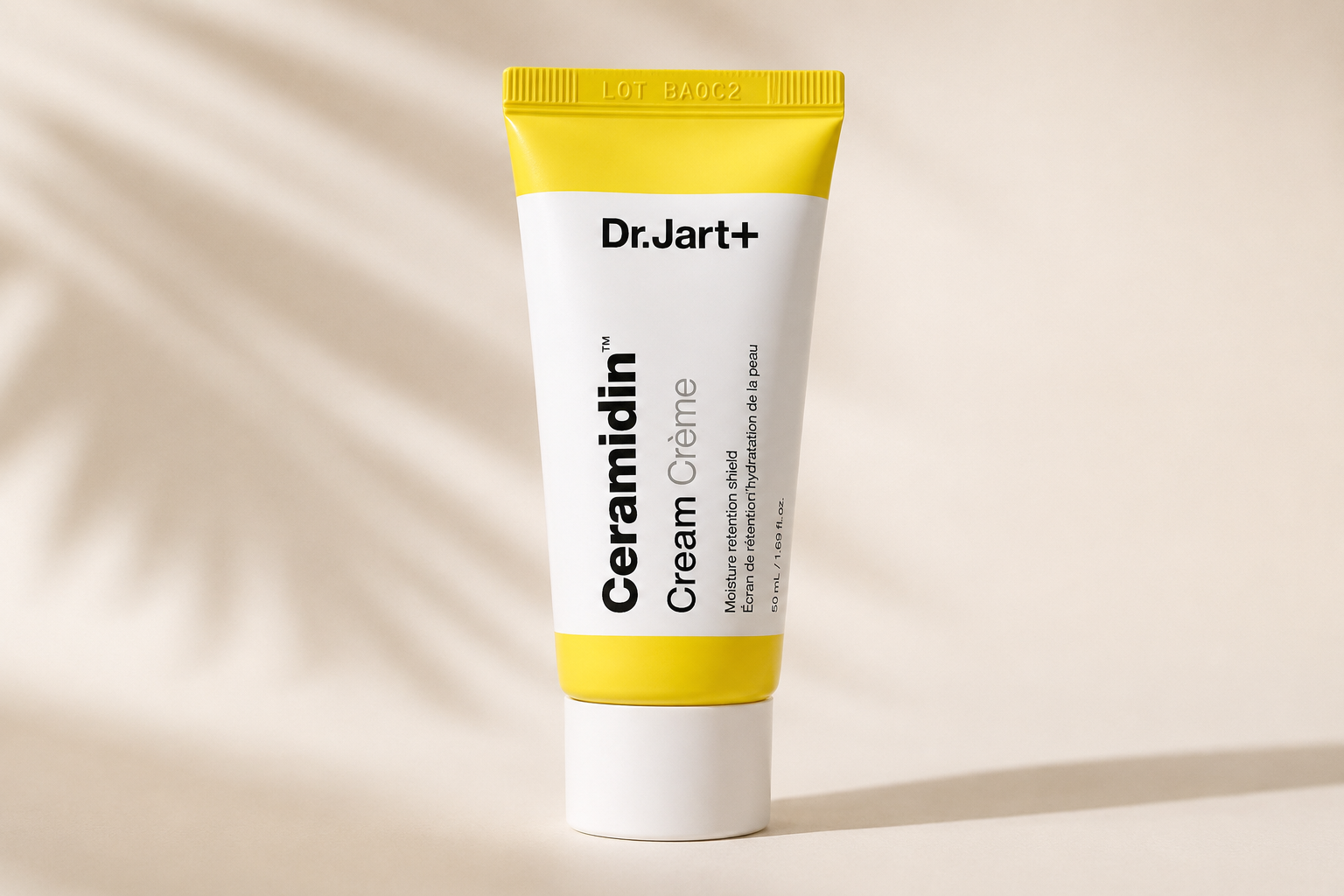
Dr.Jart+ Ceramidin Cream. 9.1/10 for everyday barrier support. The cream contains five different types of ceramides (Ceramide NP, NG, NS, AS, AP) alongside panthenol, and is mainly meant to strengthen the skin barrier. It isn’t a luxurious cream, but it’s consistent - dry skin that gets it daily tends to feel less reactive over time. Worth noting the formula has tested as having a not-insignificant irritation potential, so for very sensitive skin, I’d patch-test it first.
Dr.Althea 345 Relief Cream. 9.2/10 for irritated/blemish-prone skin. The name is a summary of the formula: 3 ingredients for soothing breakouts (niacinamide, resveratrol, hibiscus sabdariffa), 4 nourishing ingredients (including ceramide and panthenol), and 5 soothing ingredients (including Centella asiatica and heartleaf). It’s fragrance-free, which makes it a relatively safe choice for sensitive, blemish-prone skin, and it’s especially suited to anyone dealing with both redness and dryness.
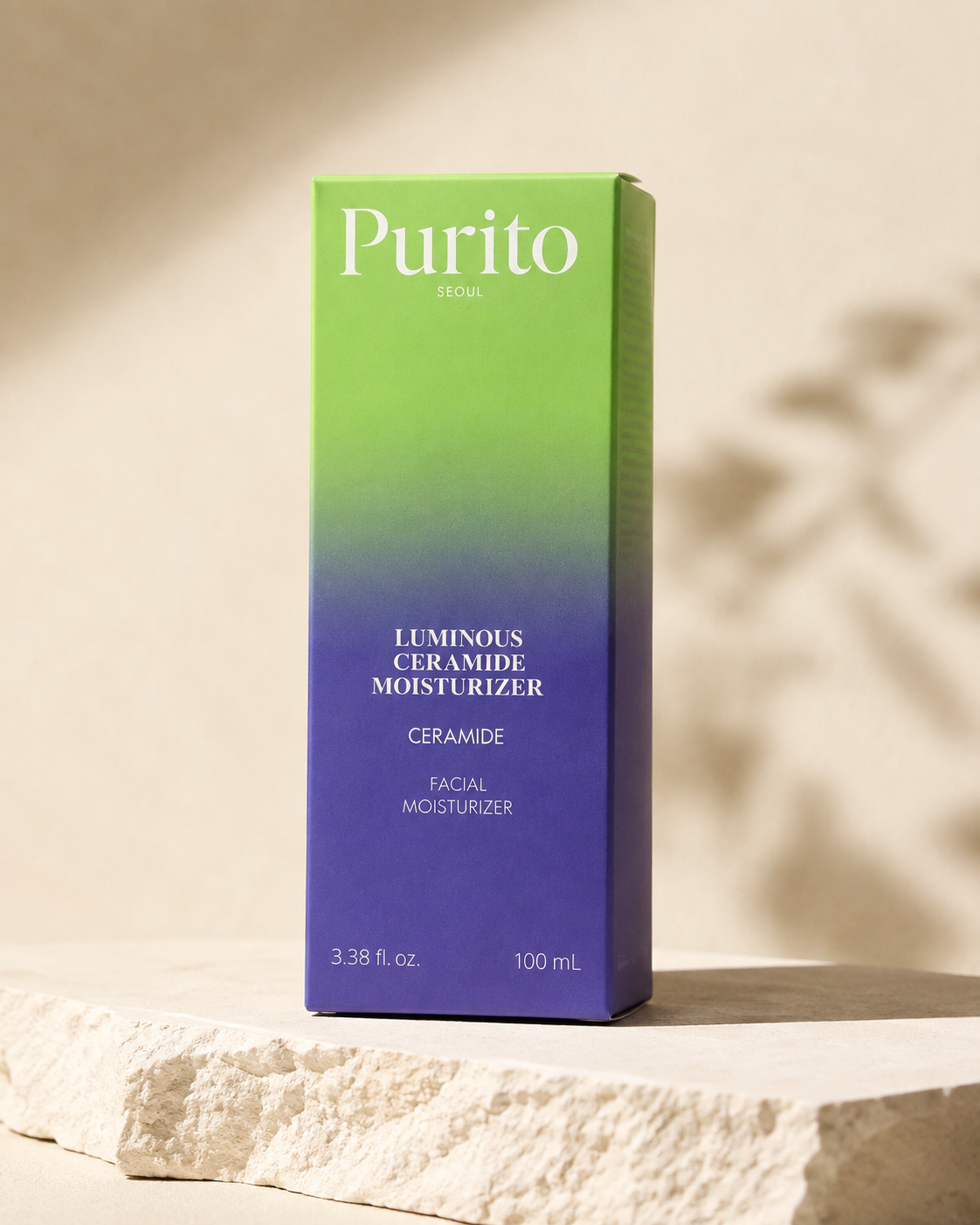
Purito Luminous Ceramide Moisturizer. 9.0/10 · 5 ceramides + cholesterol. Five types of ceramides (Ceramide NP, NS, AS, AP, EOP) alongside cholesterol - a combination that mimics the barrier’s own structure. The formula has tested as free of most common irritants, which makes it one of the safer picks for sensitive skin that wants serious barrier support without a lot of extras.
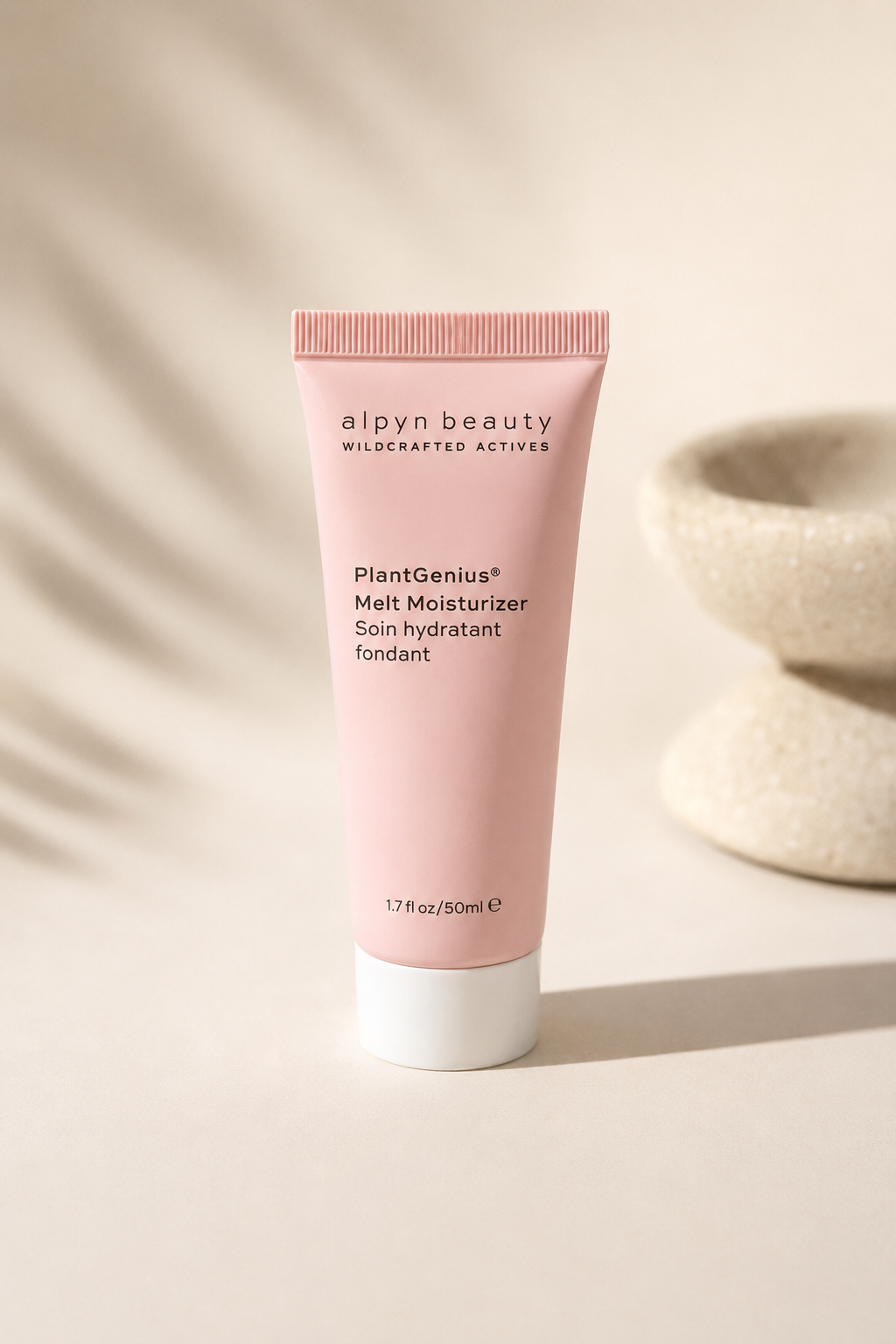
Alpyn Beauty PlantGenius Melt Moisturizer. 8.8/10 · plant-based bakuchiol. An American brand pairing bakuchiol (a plant-based retinol alternative) with hyaluronic acid, glycerin, and fruit extracts. A rich cream, best suited to dry skin that also wants a gentle anti-aging angle. Note the long list of plant extracts: like the “natural” Korean creams, the irritation potential on very sensitive skin isn’t low. Patch-test first.
Mild By Nature Camellia Care Green Tea Facial Cream. 8.6/10 · basic and budget-friendly. A simple, budget-friendly cream built on green tea leaf extract, resveratrol, and hyaluronic acid, oil-free and fragrance-free. I like it as a sane everyday option for combination-oily skin. One caveat: green tea’s antioxidants are unstable and tend to break down quickly in formulation, so don’t buy it for green tea’s “anti-aging power.” Buy it as a basic, reasonably priced moisturizer.

The layer that comes before the moisturizer
Again: sometimes what’s missing isn’t a richer cream but the right layer underneath it. Here are a few products I see constantly in Korean routines - a toner, a serum, and an essence - each doing a slightly different job.
Klairs Supple Preparation Facial Toner. 9.4/10 · hydrating toner. A thicker-textured toner built on beta-glucan, Centella asiatica, and sodium hyaluronate. A lot of people describe it as the toner they always repurchase - it doesn’t cleanse, it preps skin to take in whatever comes next. I love it as the first layer in a routine, before a serum or cream.

numbuzin No.3 Skin Softening Serum. 9.3/10 · skin texture. This serum is built around bifida ferment lysate (42%) and galactomyces ferment filtrate (21%), alongside niacinamide and adenosine. It isn’t sold as a dryness fix but as a texture product - pores, evenness, a smoother feel. It became a K-Beauty cult name for good reason: fermentation plus niacinamide is exactly the ingredient set I want when the complaint is “uneven skin” rather than dryness.

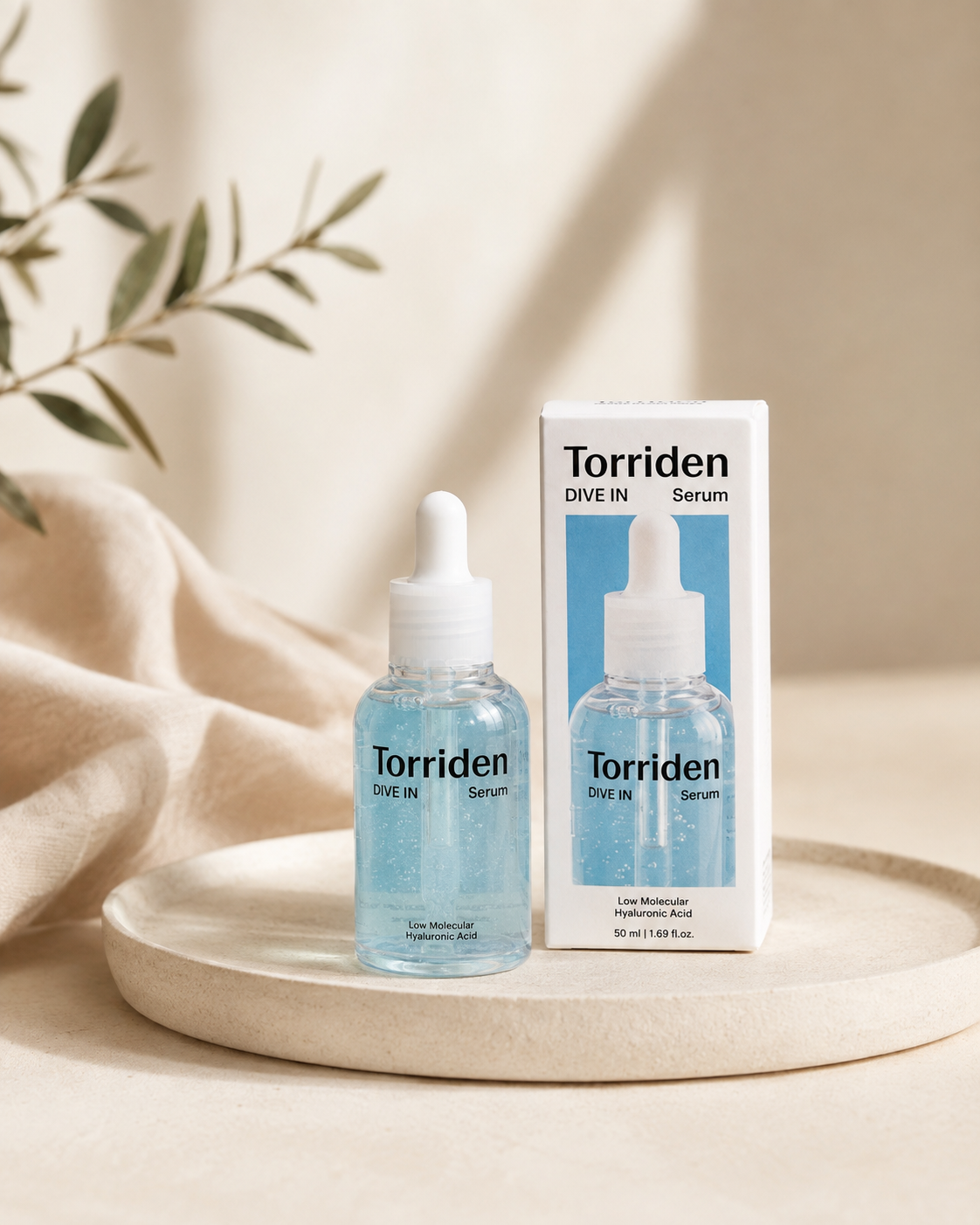
Torriden Dive-In Serum. 9.2/10 · 5 molecular weights of HA. The brand built a system of five types of hyaluronic acid at different molecular weights - some go deeper, some form a surface layer that holds hydration on the skin. Panthenol, allantoin, and madecassoside come along for soothing. The texture is very light and sinks in fast, which makes it a serum I love on combination-oily skin that wants hydration without tack.
Isntree Hyaluronic Acid Water Essence. 9.3/10 · 8 types of HA. An essence with eight different types of hyaluronic acid, alongside niacinamide and panthenol. Same idea as Torriden’s serum: molecules of different sizes working at depth and on the surface at once. It’s one of the most popular essences in K-Beauty routines for the simple reason that it works - instant hydration, no fragrance, no heaviness.

None of these replace a good moisturizer, and none of them are meant to. They’re part of the larger conversation about what happens on your skin before the cream ever shows up.
So what’s the best moisturizer?
I don’t think there’s a single winner, so I’d sum it up this way:
| Product | Best for | Score |
|---|---|---|
| Embryolisse Lait-Crème Concentré | Under makeup | 9.7/10 |
| Clinique Moisture Surge 100H | Dehydrated/sensitive skin | 9.5/10 |
| I’m From Honey Mask | Hydrating mask | 9.5/10 |
| Dear, Klairs Midnight Blue | Irritated skin | 9.4/10 |
| Sebocalm | Soothing sensitive skin | 9.4/10 |
| Tatcha Indigo Overnight Repair | Night/barrier | 9.4/10 |
| Glow Recipe Plum Plump | Plumping and glow | 9.3/10 |
| Glow Recipe Pink Juice | Combination-oily skin | 9.2/10 |
| Rhode Barrier Restore Cream | Glazed Skin / barrier | 9.2/10 |
| CeraVe Moisturizing Cream | Value for money/barrier | 9.2/10 |
| Charlotte Tilbury Magic Cream | Luxury makeup prep | 9.0/10 |
| Beauty of Joseon Dynasty Cream | Light everyday glow | 9.3/10 |
| numbuzin No.3 Skin Softening Serum | Skin texture | 9.3/10 |
Moisturizer under makeup - where the rules change
This is the part that matters most to me as a makeup artist: the best moisturizer for skin isn’t necessarily the best moisturizer under makeup. Before foundation I want something very specific. Skin soft and supple, but not slippery. Dry patches softened without an oily film. Enough slip for the makeup to blend, enough grip for it to stay put.
That’s why Embryolisse has survived in makeup artists’ kits for decades. It isn’t trying to be the most advanced serum or carry the longest actives list. It preps beautiful skin for makeup. It’s also why I can love Sebocalm on irritated skin and still choose Embryolisse before foundation. Those aren’t contradictory recommendations. They’re two different jobs.
The bottom line - the most expensive cream isn’t necessarily the best one
If you take one thing from this article, take this: skin doesn’t read the price tag. Sometimes CeraVe is exactly what it needs. Sometimes the missing piece is a hydrating serum, not a richer cream. Sometimes irritated skin wants Klairs or Sebocalm. Sometimes I want Glow Recipe’s light texture by day and something richer at night. And before makeup, I might reach for a product born more than 75 years ago - Embryolisse - precisely because it does the simple thing a makeup artist needs so well: turning real skin into a better surface for makeup.
Tatcha, Rhode, Glow Recipe, and Charlotte Tilbury show how much the category has shifted. Moisturizer isn’t sold to “prevent dryness” anymore. We want barrier support, plumping, Glass Skin, glow, and makeup prep out of it too. That’s fine, as long as we can tell those things apart.
A good moisturizer isn’t measured by how deep it “penetrates,” how pretty the jar is, or how exotic the hero ingredient sounds. It’s measured by whether the formula gives your skin what it’s missing, at the right moment. And sometimes, before makeup, what skin is missing isn’t another active at all. It just needs to be soft, supple, and ready.