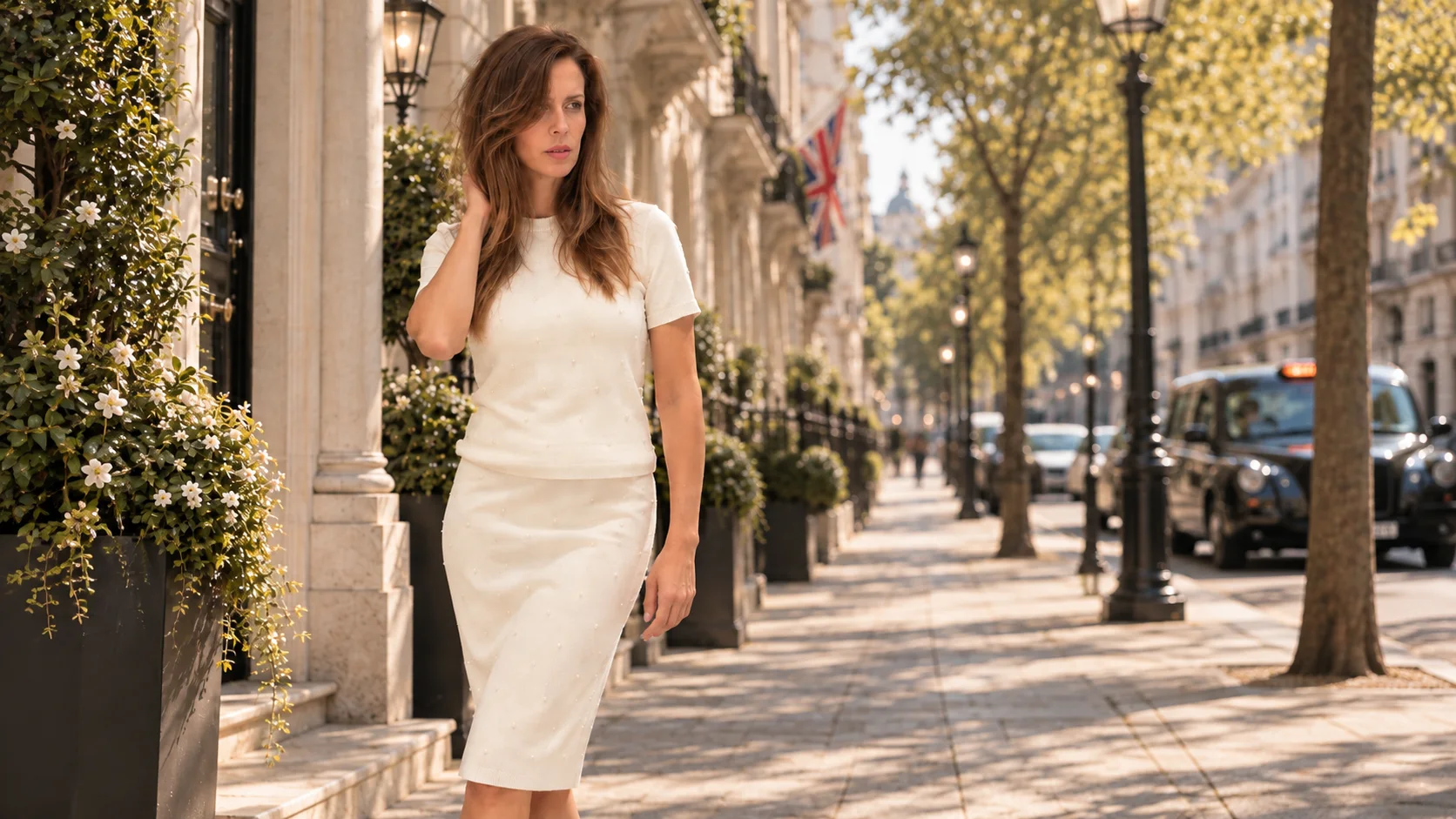
There is a particular kind of outfit Mango understands exceptionally well.
A fluid trouser with a clean waistline. A softly structured blazer. A slip dress that looks more expensive than it is. A knit that feels current without looking like it was designed for one season only.
Mango operates in the same fast-moving fashion world as some of Europe’s biggest high-street retailers, but its visual language has often felt slightly different.
Less about chasing every microtrend.
More about translating fashion into clothes that feel polished, feminine and wearable.
That distinction has helped turn a single Barcelona store into an international fashion company operating in more than 120 markets.
And more than four decades after it began, Mango is increasingly trying to occupy an interesting space between mass-market fashion and something more aspirational.
Accessible fashion that wants to look considered.
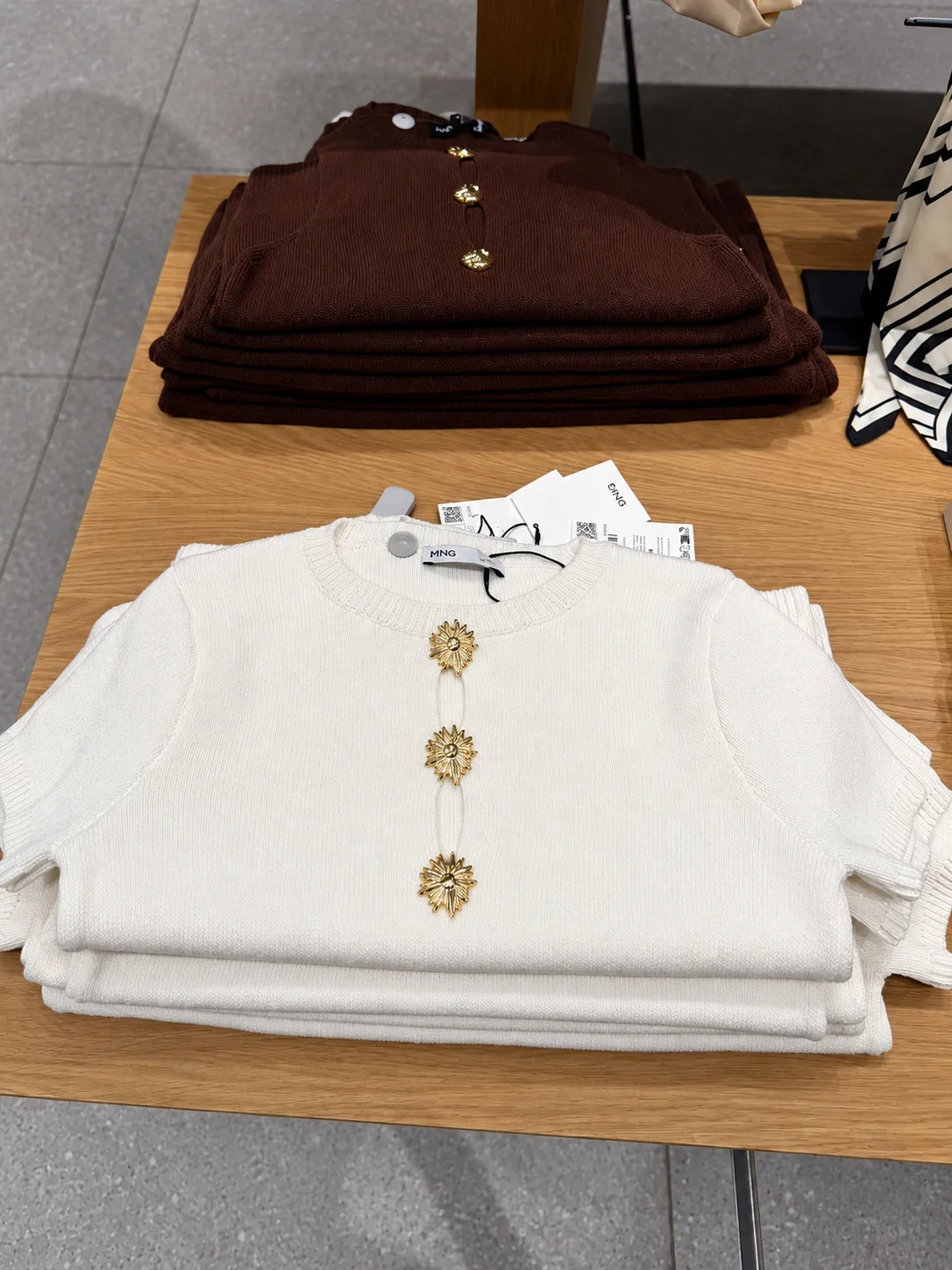
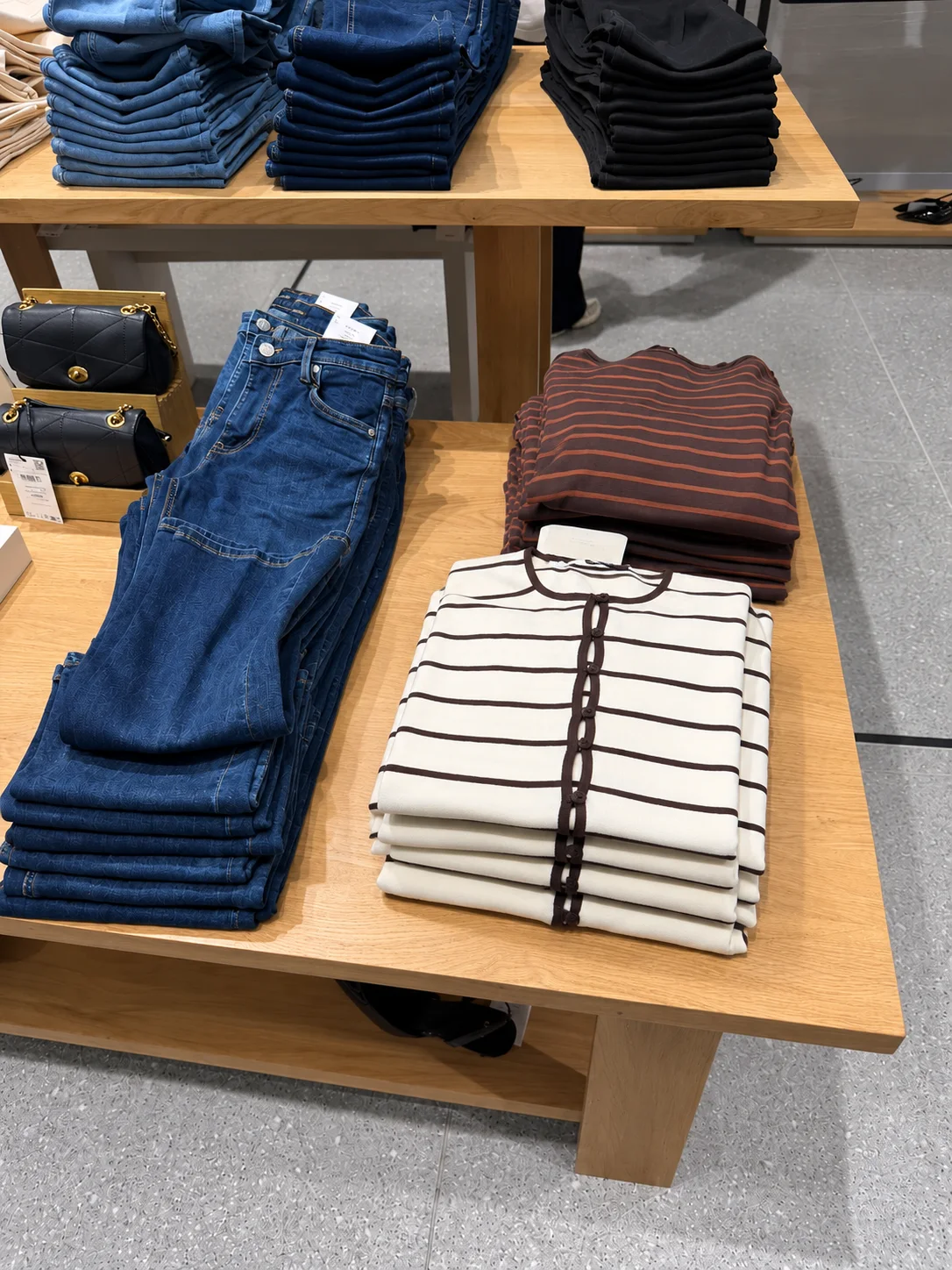
Modern essentials
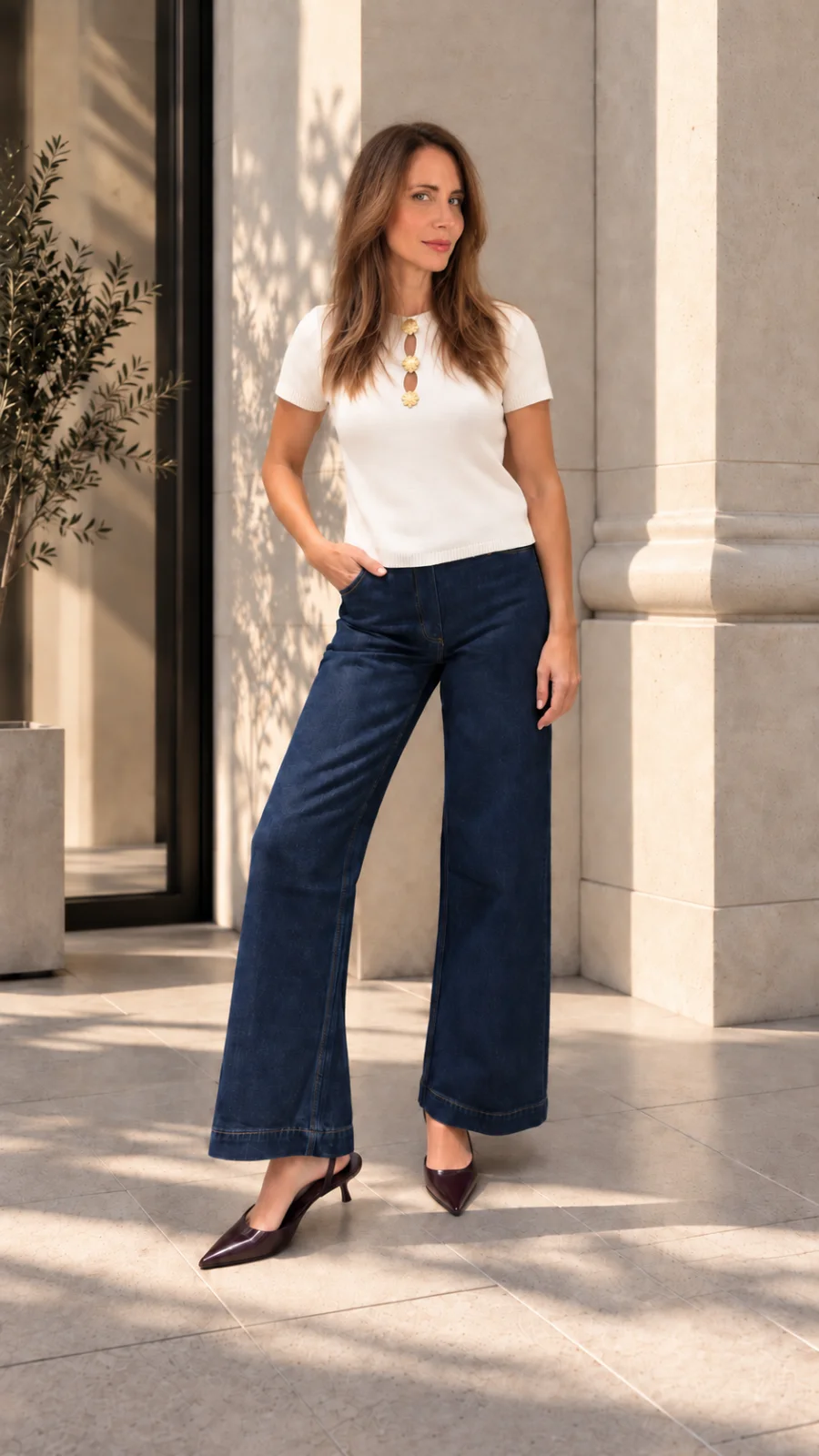
Knitwear and denim
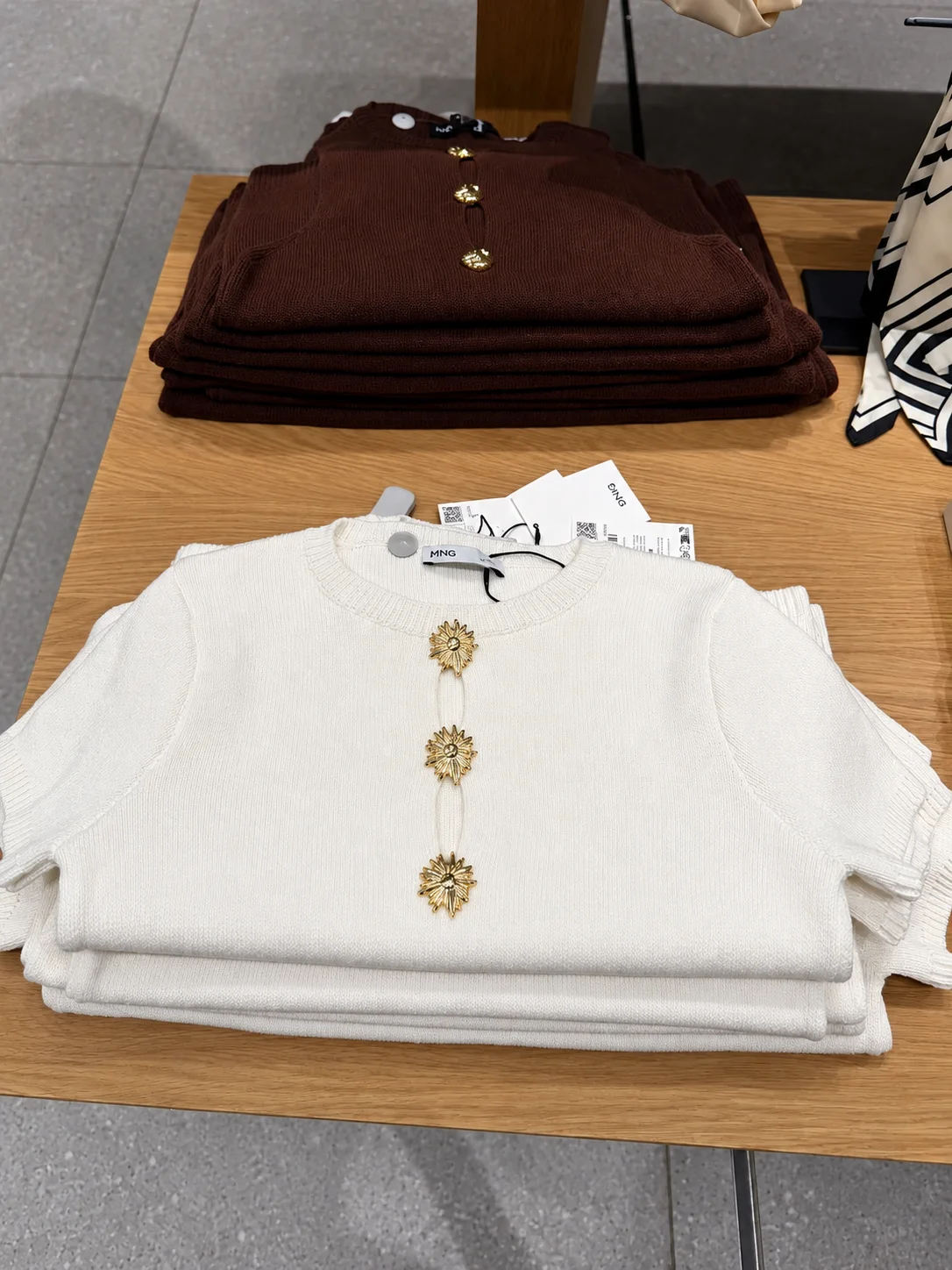
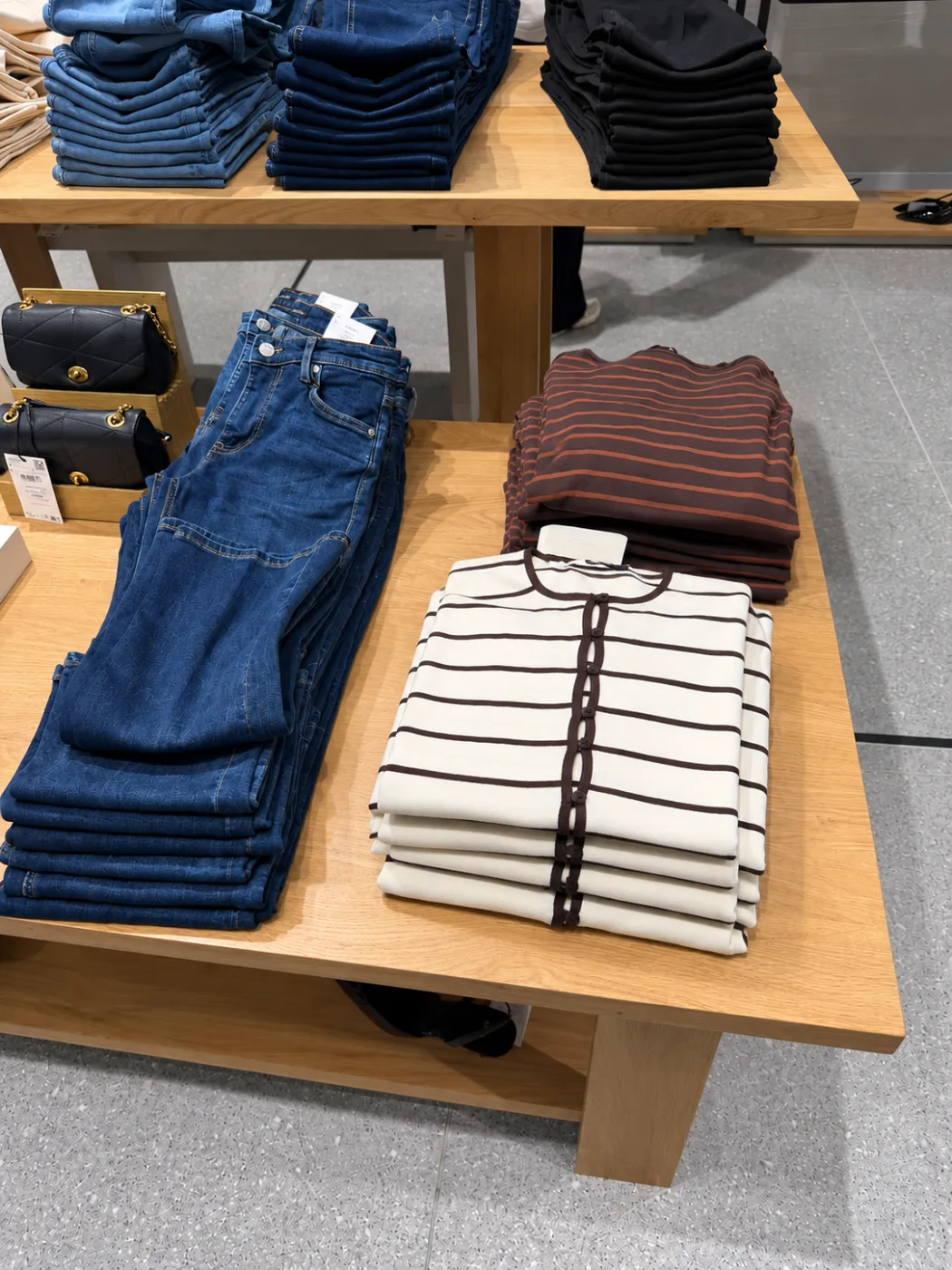
Refined knitwear and denim cut for real life, in a feminine register that still works once the season has moved on. These are the pieces most people buy from Mango first, and the ones that decide how the rest of the wardrobe reads.
Effortless style
everyday
The story
The story began in Barcelona
Mango was founded by Isak Andic in Barcelona in 1984.
Andic was born in Istanbul in 1953 and moved to Barcelona with his family when he was 14. After beginning his career in fashion through wholesale and retail, he opened the first Mango store on Paseo de Gracia, one of Barcelona’s best-known shopping streets (Mango Fashion Group).
The company expanded quickly.
Within its first eight years, Mango had reached 100 stores in Spain. In 1992 it began its international expansion with two stores in Portugal, followed by Singapore and Taiwan in 1995 (Mango Fashion Group).
That international ambition would become fundamental to Mango.
This wasn’t a Spanish retailer that happened to expand abroad.
It was being built to travel.
The city
Barcelona isn’t just an address
Mango continues to design its collections in Barcelona. The company says its garments are 100% designed there, with more than 500 people working across design, buying and related product functions at its Mango Campus (Mango Fashion Group).
That matters because Barcelona isn’t treated simply as corporate geography.
Mediterranean identity is part of Mango’s design language.
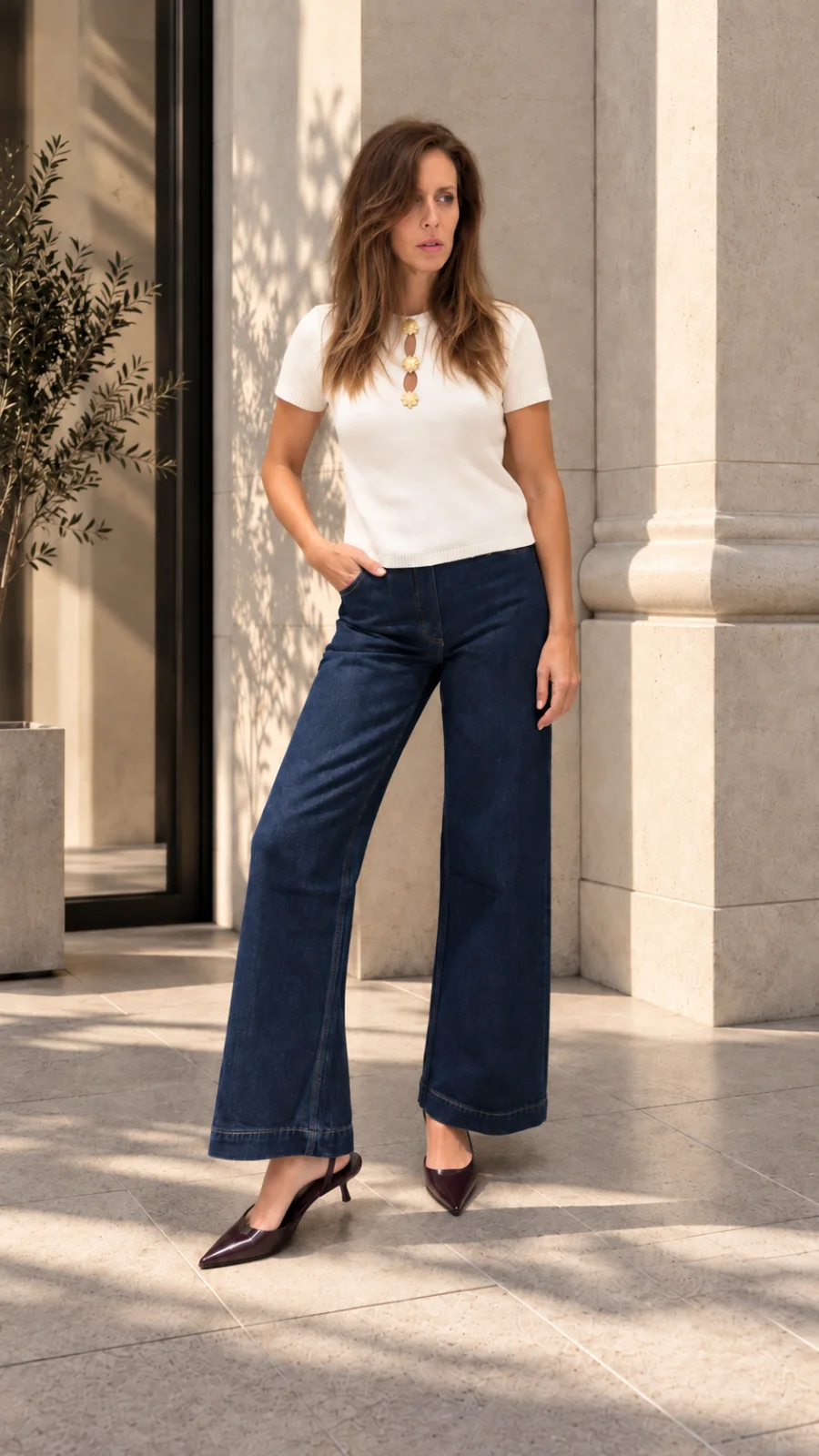
The company explicitly describes authenticity in terms of its “Mediterranean spirit,” while its retail concept, New Med, uses warm neutrals and materials including wood, ceramics, marble and natural fibers to evoke Mediterranean culture and lifestyle (Mango Fashion Group).
You can see a version of that sensibility in the clothes.
Relaxed tailoring. Natural-looking neutrals. Fluid silhouettes. Linen in summer. Leather and suede textures as temperatures fall.
Pieces that often feel more at home in a wardrobe than on a trend report.
Of course, Mango follows fashion.
But at its best, it translates trends rather than simply reproducing them.
The style
What makes Mango look like Mango?
This is harder to define than a logo.
Mango doesn’t have one silhouette, one fabric or one product category that identifies it instantly.
Its strength is more subtle.
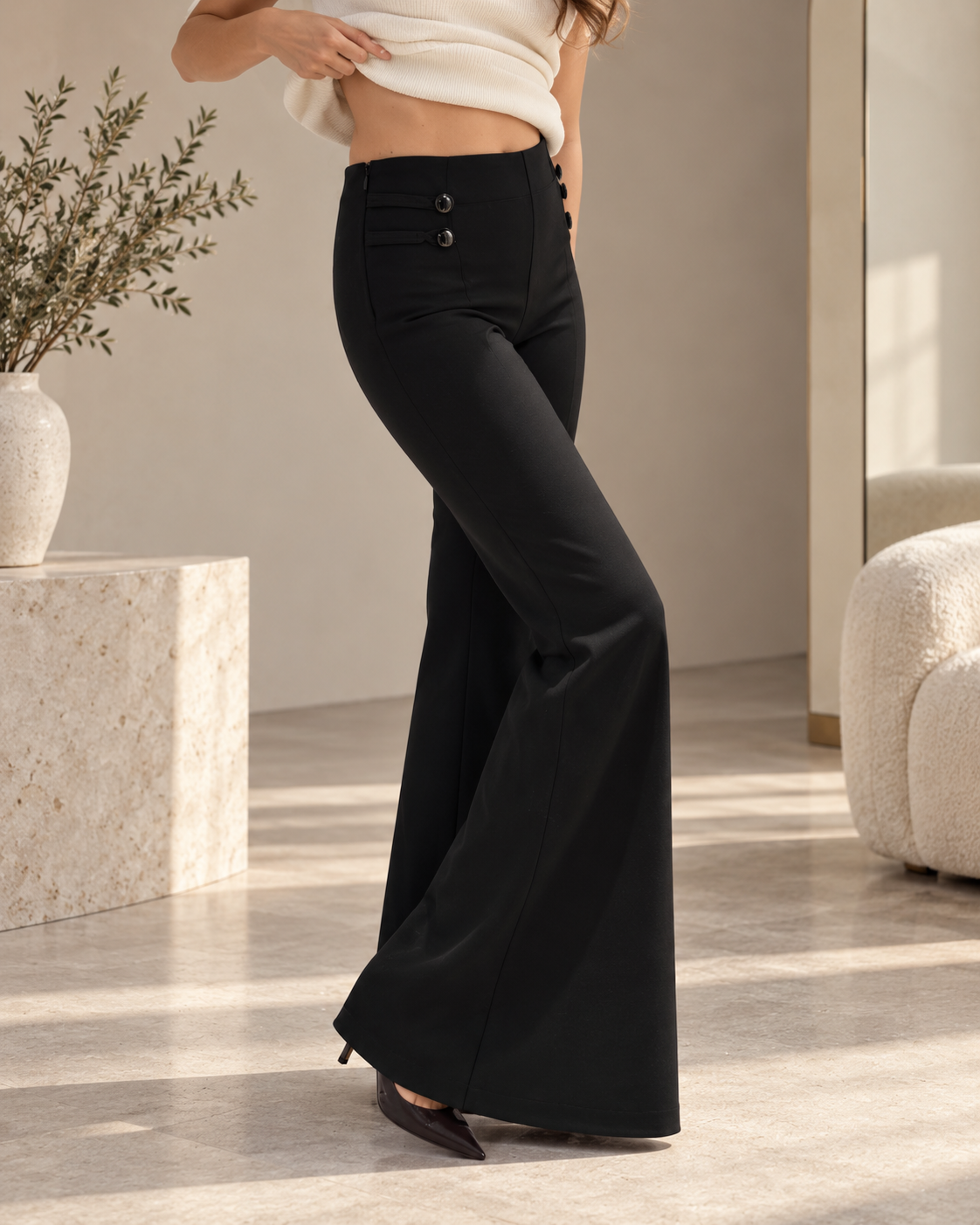
The brand tends to take a fashion idea and remove some of the difficulty from it.
An oversized blazer becomes easier to wear. A runway color becomes a knit. A dramatic trouser shape becomes something you could realistically wear to dinner. A seasonal trend gets edited into a wardrobe.
That editing matters.
Because most women don’t need more fashion ideas.
They need better ways to wear them.
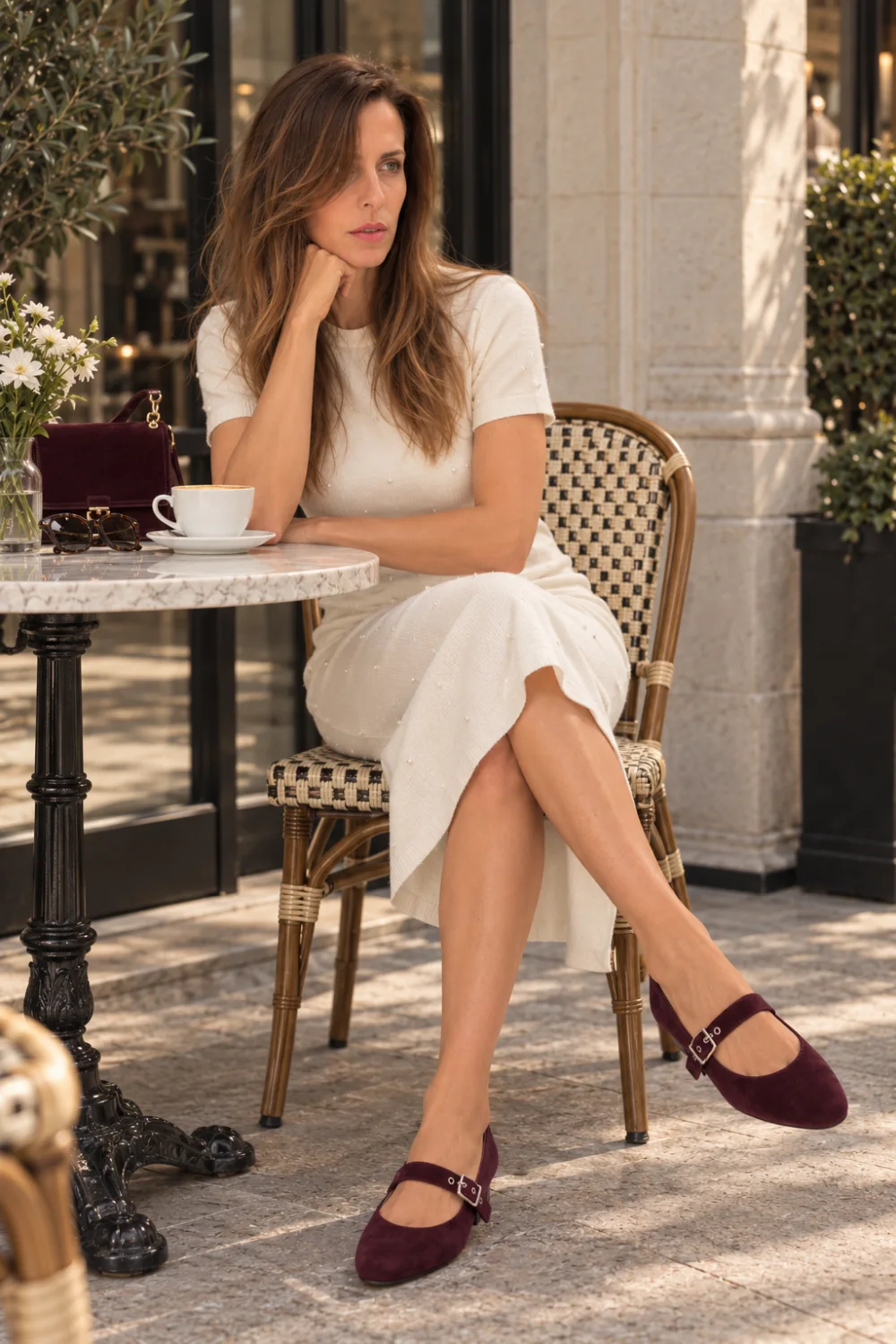
Shoes
Details make the difference
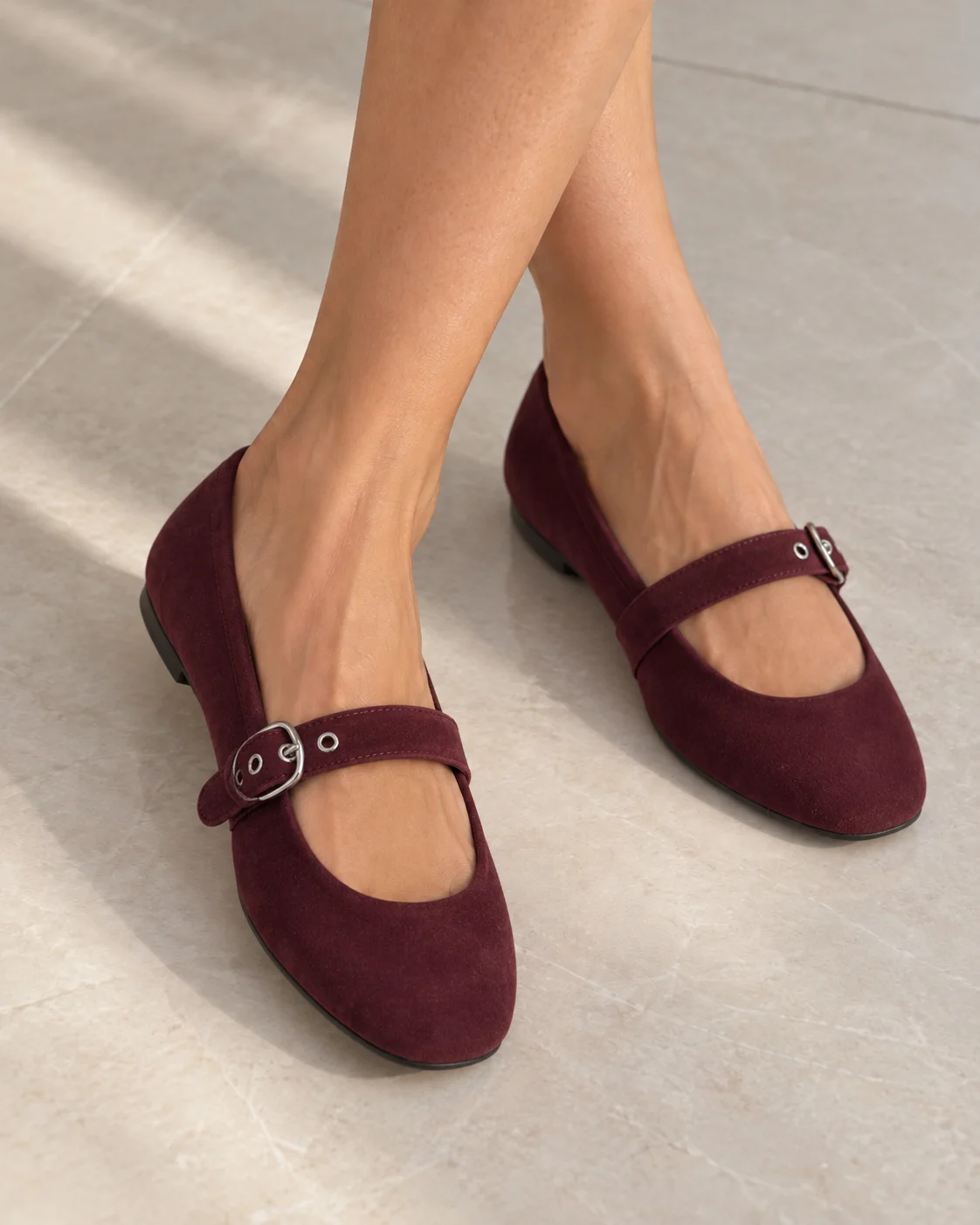
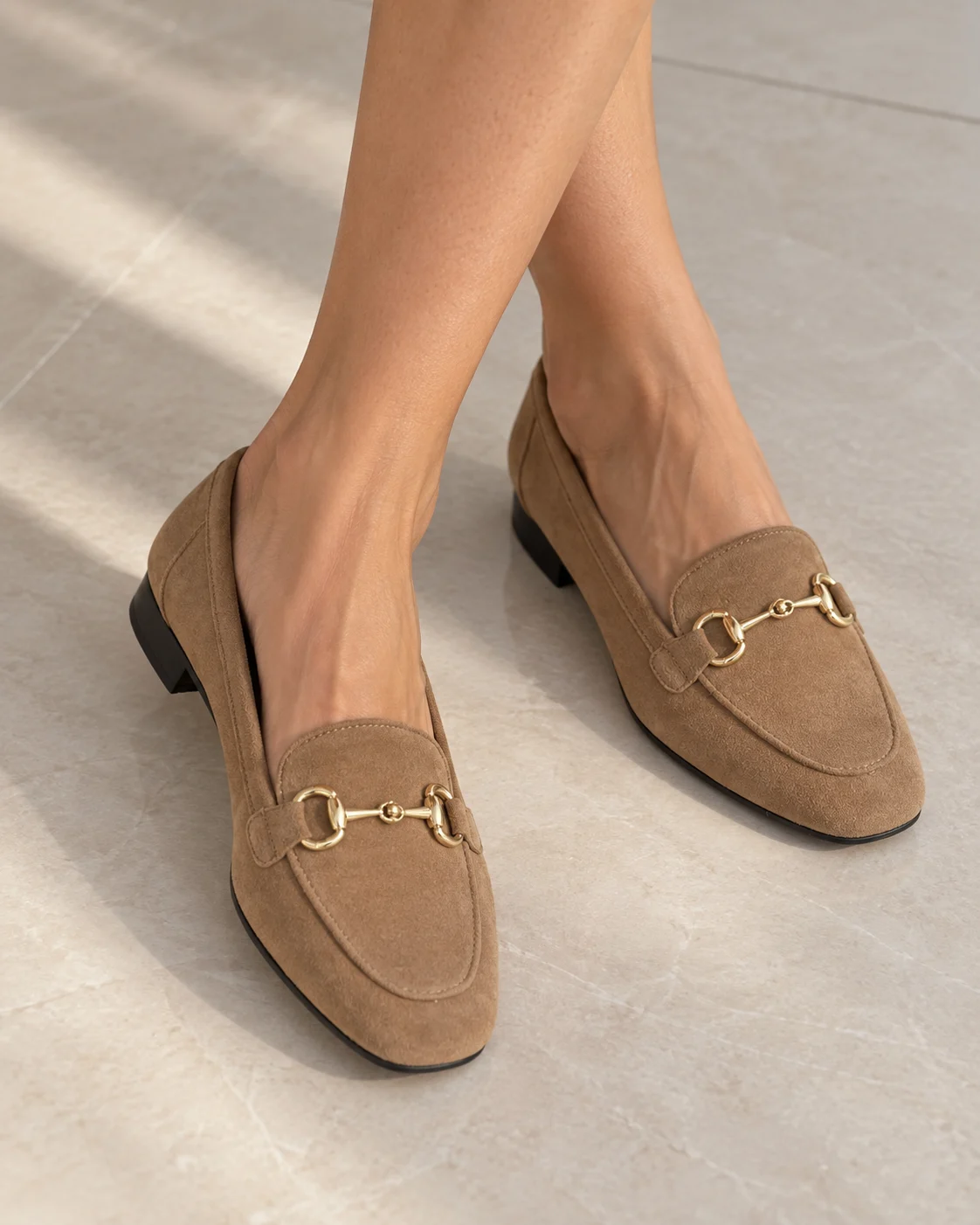
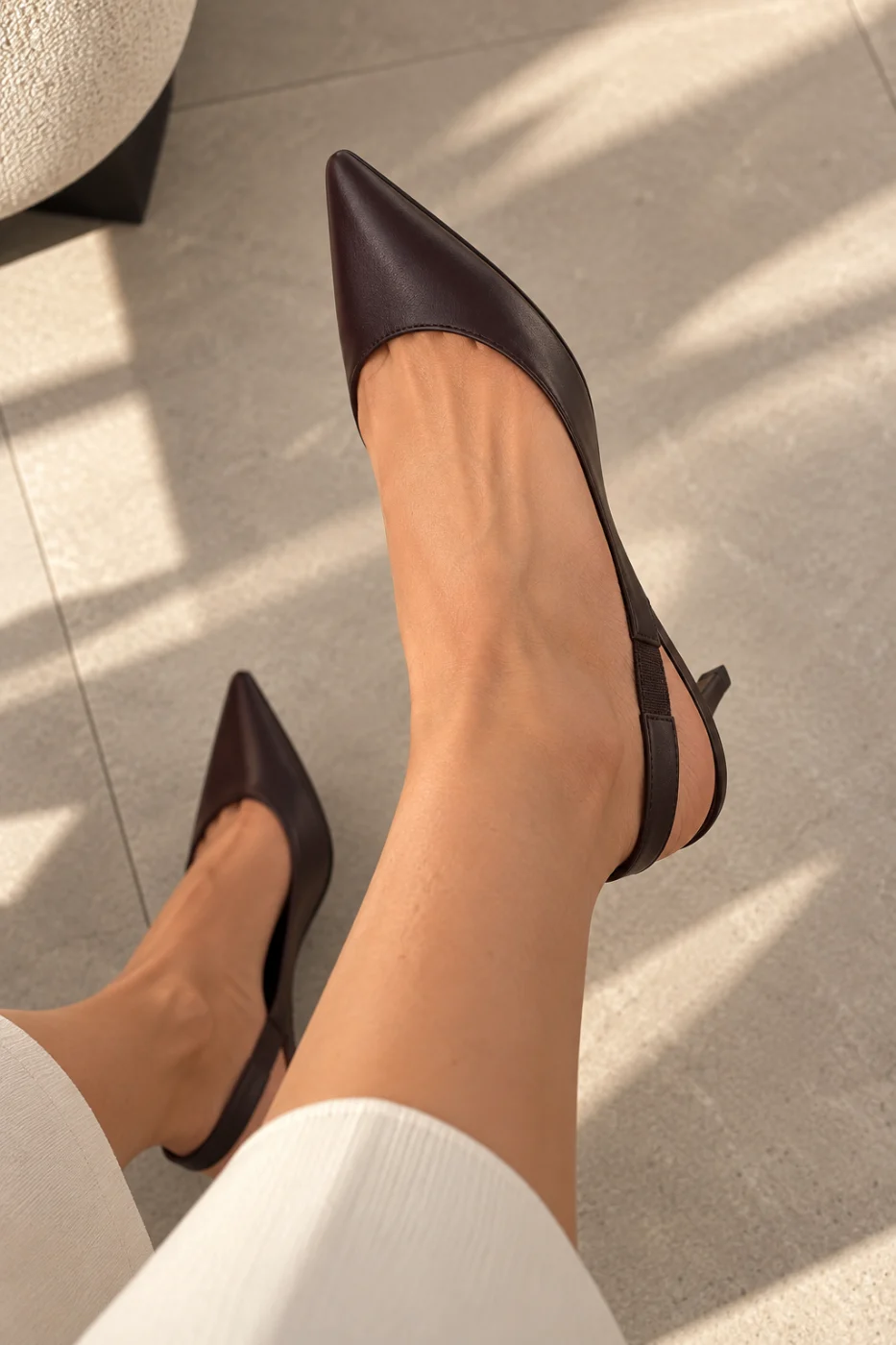
From polished slingbacks to Mary Janes and suede loafers, Mango shoes bring a finished quality to everyday clothes. Classic shapes, current proportions.
Confidence
in every step
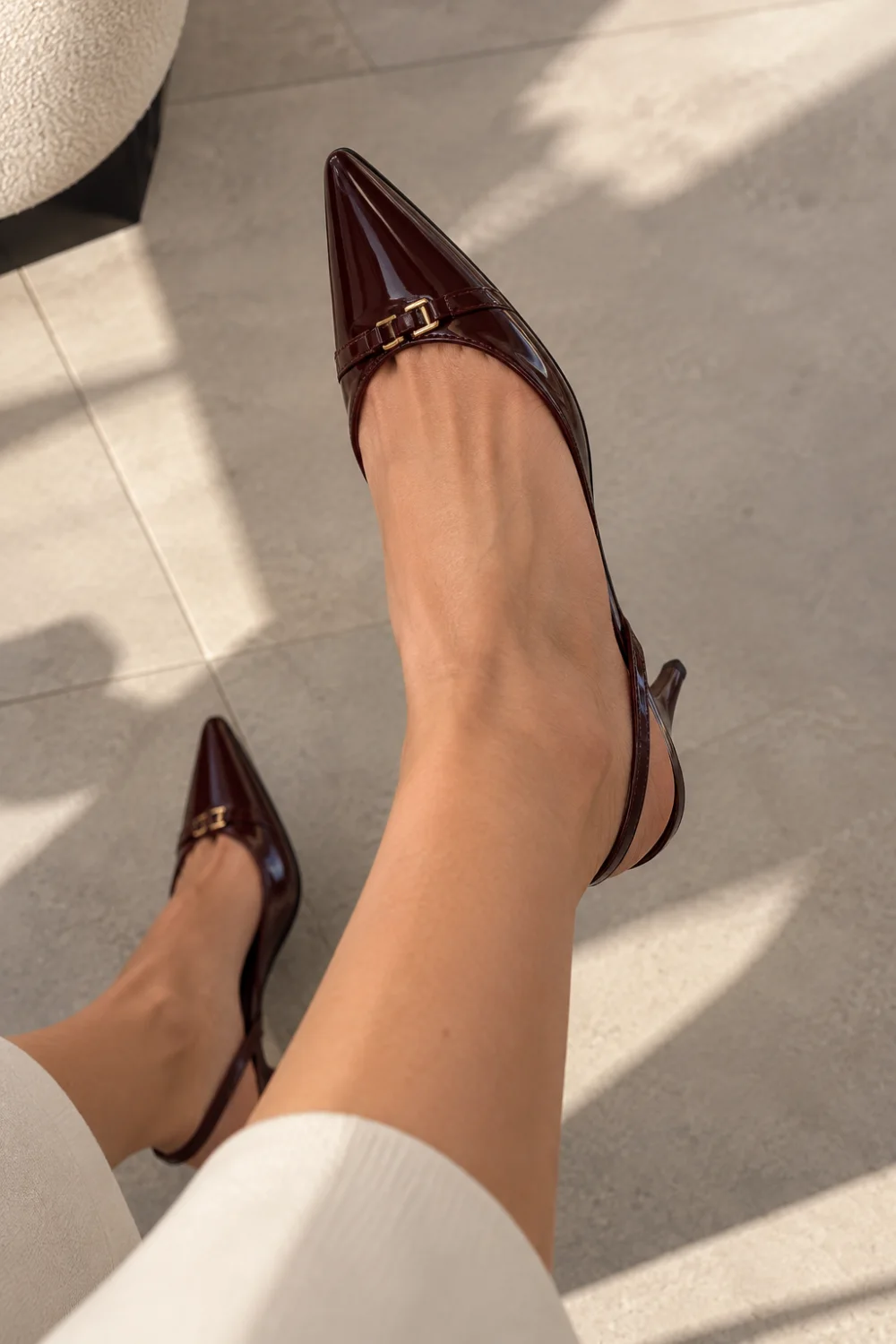
Patent leather slingback, in burgundy.
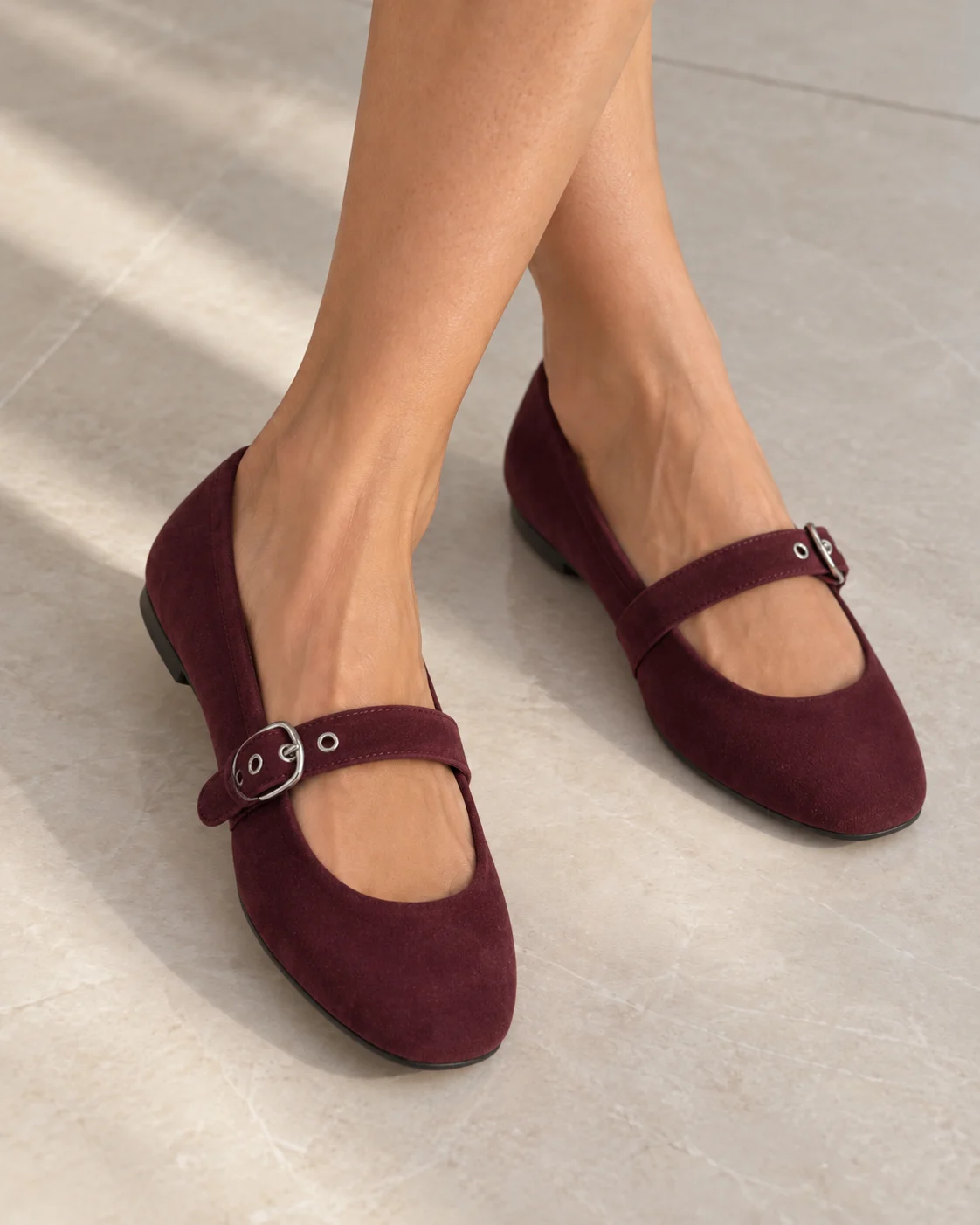
Buckle suede, in burgundy.
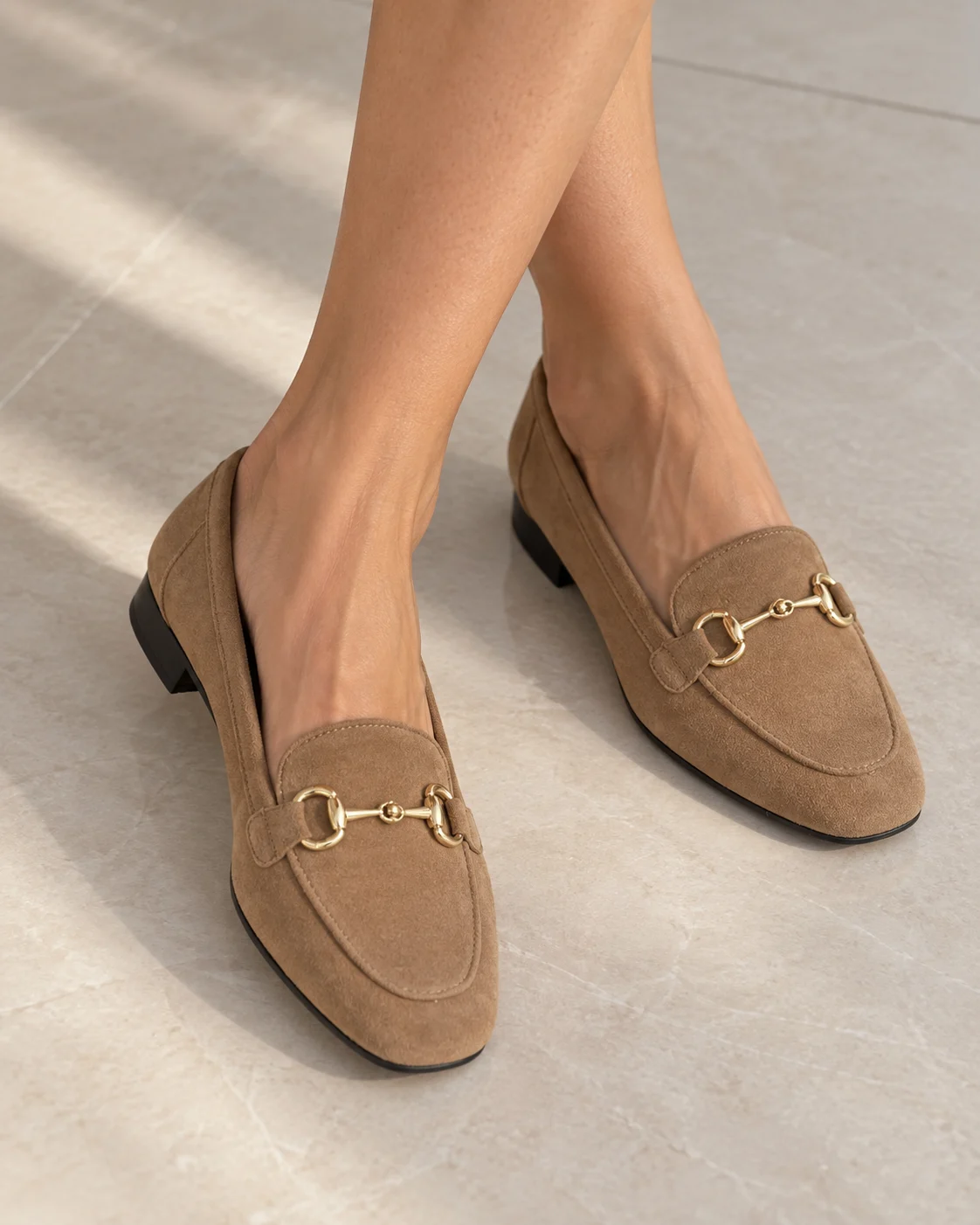
Suede moccasins with buckle, in sand.
Mango versus the high street
Mango inevitably gets placed in the same conversation as Zara, H&M and other global fashion retailers.
There are obvious reasons.
The collections change frequently. Prices are accessible relative to designer fashion. Trends move from the wider fashion conversation into stores quickly.
But treating every high-street brand as interchangeable misses what each one is trying to do.
Mango increasingly describes its own positioning in terms of aspiration, design and quality, and its recent strategy has explicitly focused on strengthening a more differentiated, premium fashion proposition (Mango Fashion Group).
That doesn’t make Mango a luxury brand.
It isn’t.
Nor does a more elevated campaign automatically make the garment hanging beneath it better made.
But positioning matters because it influences what the design team prioritizes.
At Mango, the aspiration is increasingly clear: make high-street fashion feel less disposable.
Whether an individual garment succeeds is another question.
The garment still has to survive the fitting room
Fashion photography can make almost anything convincing.
The fitting room is less forgiving.
This is particularly important at Mango because some of its strongest pieces rely on elements where small differences in construction matter enormously: tailoring, drape, proportion and fabric.
A blazer can look beautifully oversized online and simply look too large in person.
Wide-leg trousers can fall elegantly or collapse around the hips.
A satin-effect dress can look luxurious in campaign photography and reveal every compromise in the fabric under ordinary lighting.
A cream knit can look substantial until you discover how transparent it is.
That’s why our Mango coverage won’t simply ask: does it look good?
We’ll ask: how does the fabric feel? How does it hang? Is it lined where it should be? Is it sheer? Does the cut work in movement? How does the sizing behave? Does the garment still look good away from the campaign styling?
And most importantly: would we actually buy it?
The difference between styling and quality
Mango is very good at styling.
That sounds like a compliment, and it is.
But it’s also something worth separating from garment quality.
A beautifully styled campaign can make a relatively ordinary piece feel essential.
Put a simple brown cardigan with the right wide-leg trouser, belt, shoe and oversized coat, and suddenly we’re not evaluating a cardigan.
We’re buying into a woman.
Fashion brands know this.
Good fashion editors should know it too.
So when we look at Mango, we’ll separate two questions: is this a good styling idea, and is this particular garment good enough to buy?
Sometimes the first answer will be yes and the second no.
That’s useful information.
The pieces Mango does particularly well
Mango’s assortment is broad, but several categories repeatedly make sense within the brand’s aesthetic.
Tailoring
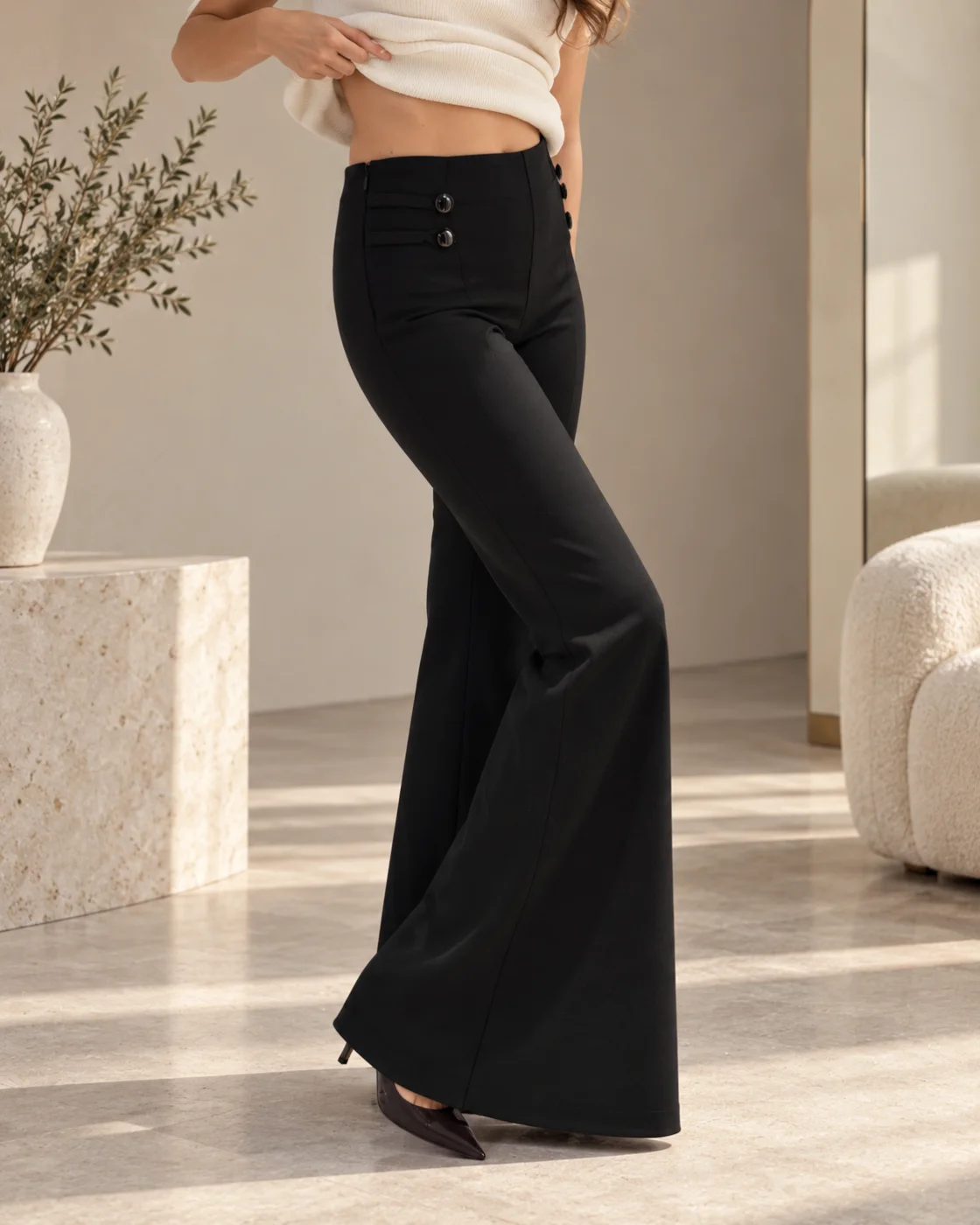
Blazers, trousers, waistcoats and suits are a natural fit for Mango’s polished visual language.
This is also where trying pieces on becomes especially important.
Tailoring lives or dies by proportion.
Shoulder placement, lapel structure, trouser rise, pocket positioning and fabric weight can make the difference between something that looks expensive and something that merely photographed well.
Dresses
Mango understands the appeal of a dress that can solve an occasion without feeling like traditional occasionwear.
Slip silhouettes, draping, asymmetry and clean column shapes regularly appear across the assortment.
Again, fabric matters enormously.
A beautiful silhouette in the wrong material is still the wrong dress.
Knitwear
Knitwear is one of the easiest categories to underestimate online.
Composition, density and recovery matter.
So does what happens after several wears.
A sweater isn’t good value because it looked beautiful for fifteen minutes in a fitting room.
Outerwear
Coats and jackets are another area where Mango’s slightly more elevated positioning can work well.
A strong coat can carry an otherwise very simple outfit, which makes construction, fabric and fit particularly worth examining.
Accessories
Shoes, bags, belts and jewelry allow Mango to translate a seasonal fashion direction without requiring an entire wardrobe change.
They’re also where “designer-looking” can become a dangerous phrase.
Looking reminiscent of a luxury trend isn’t the same thing as offering luxury construction.
We’ll judge the object, not the reference.
Inside the store
A world of inspiration
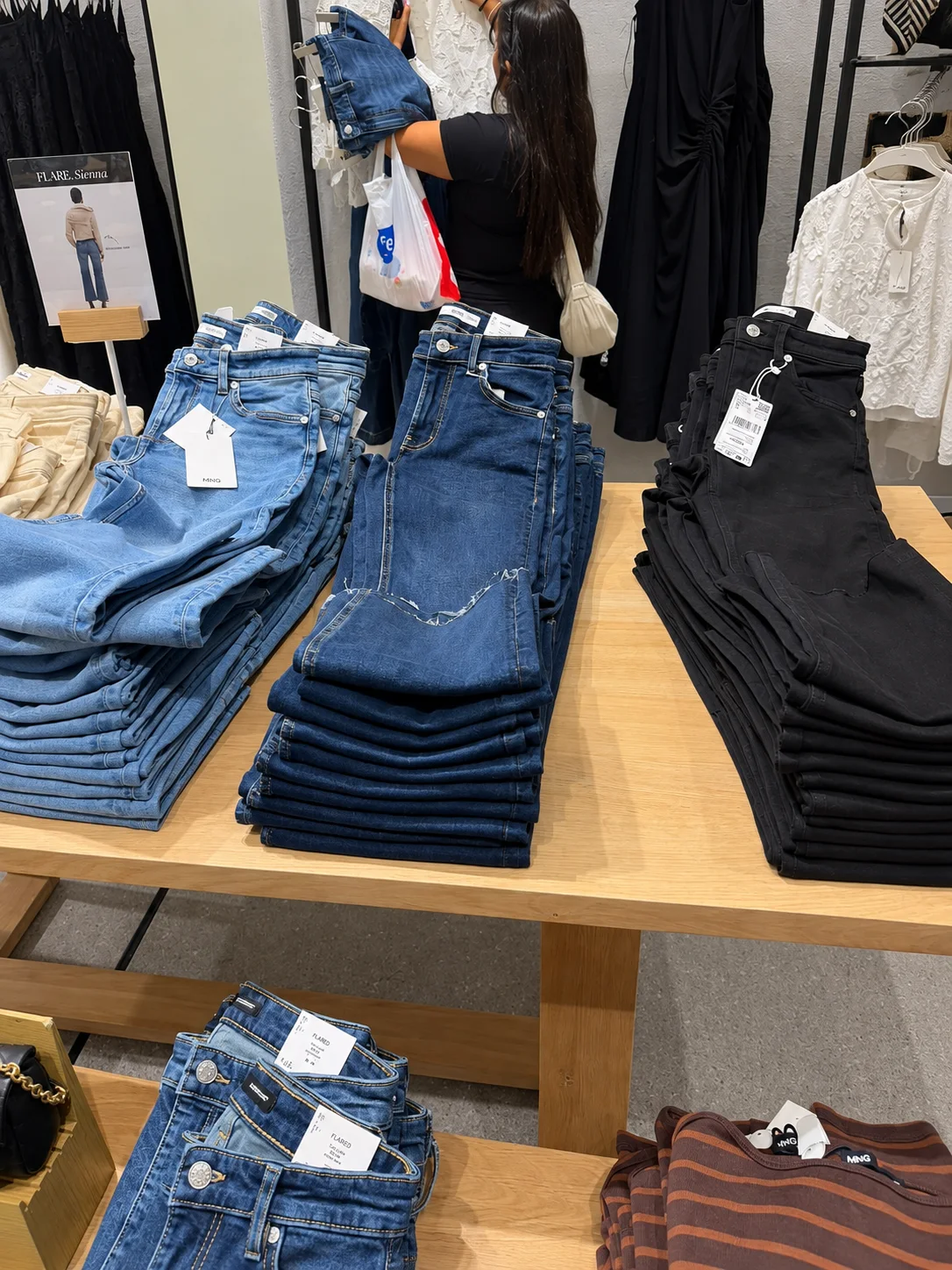
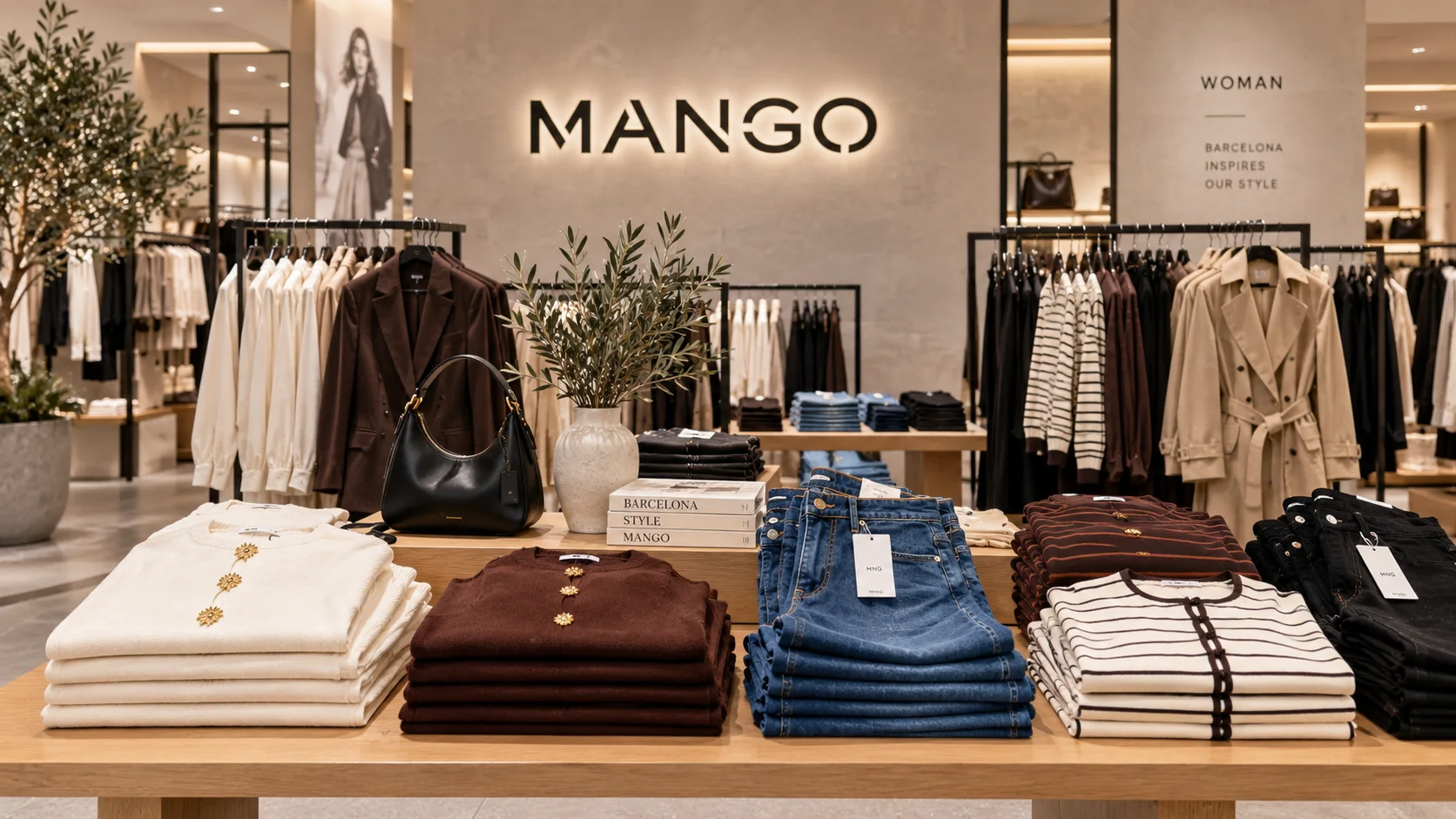
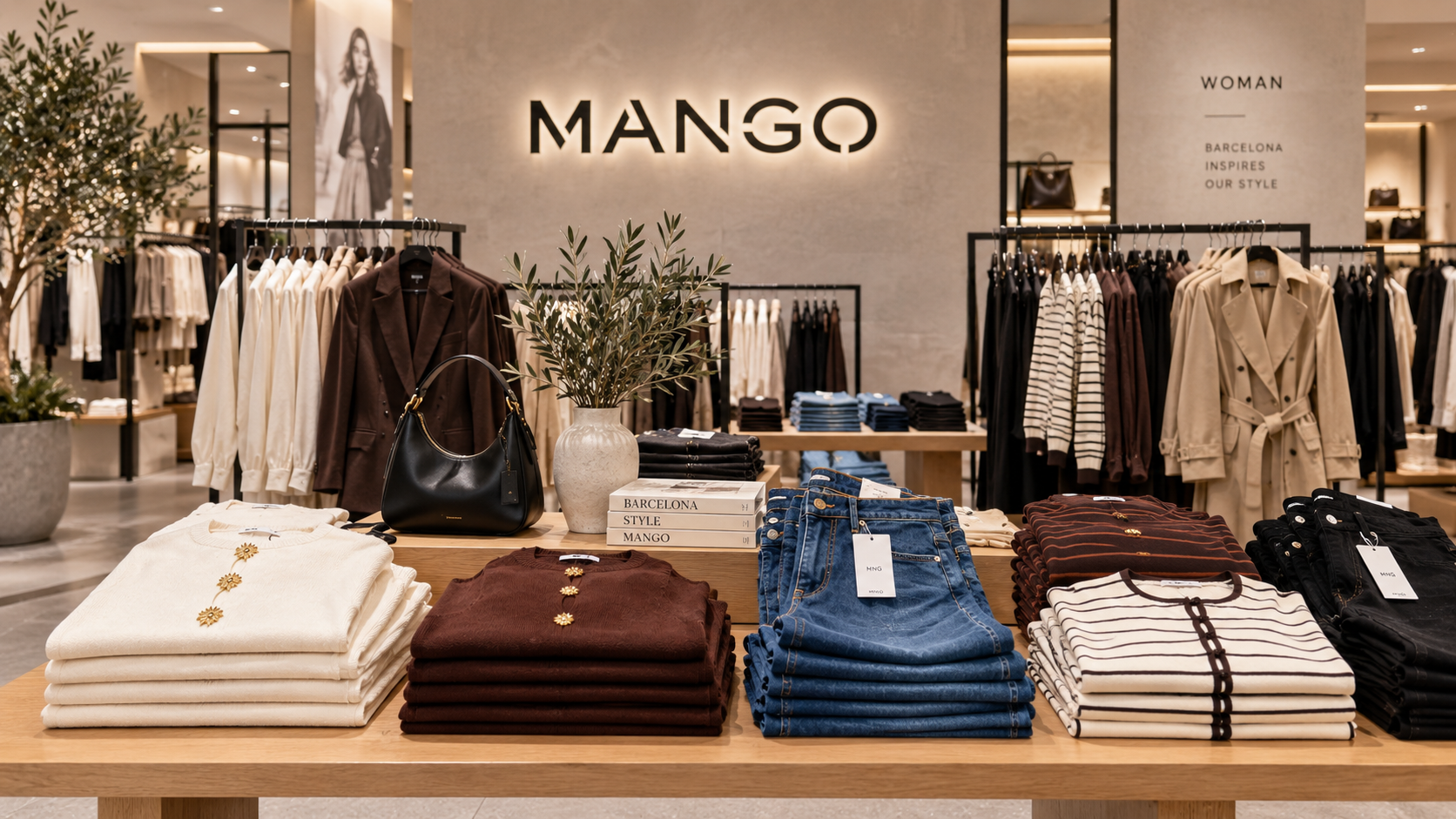
The stores are part of the brand’s language. Wood tables, folded stacks, and collections arranged so a whole outfit is visible at once. It is a curated environment, and it is part of why Mango reads as more considered than the price suggests.
More than fashion
Discover more
The fashion cycle has changed
Mango began in 1984.
The fashion industry it operates in today barely resembles the one in which its first store opened.
Social media accelerates trends. Runway images circulate instantly. Microtrends can rise and disappear within months. Consumers can shop globally from their phones.
And the environmental cost of producing enormous quantities of clothing has become impossible to treat as somebody else’s problem.
Mango sits directly inside that tension.
It wants to deliver newness while simultaneously talking about quality, circularity and sustainability.
Those goals don’t always sit comfortably together.
Barcelona inspires our style.
Mango, on its own store wallsA more conscious future
What Mango says about sustainability
Mango says sustainability forms part of its business strategy and has established targets around materials, circular design, decarbonization, traceability and supply-chain management. Its 2025 reporting says 78% of the fibers it purchased were classified by the company as “lower impact,” including 25% recycled fibers, while 29% of garments were designed according to its circularity criteria (Mango Fashion Group).
Those numbers are useful.
They aren’t the same thing as declaring Mango “sustainable.”
At the scale at which global fashion companies operate, sustainability cannot be reduced to one recycled collection, one fabric claim or one percentage.
Production volume matters. Durability matters. Supply chains matter. How long clothes remain useful matters.
And the most sustainable garment in your wardrobe may simply be the one you continue wearing.
So we won’t use sustainability language as decoration.
A claim is something to examine, not something to inherit.
From one store to more than 120 markets
The scale Mango has reached is significant.
In 2025, the company reported revenue of approximately 3.8 billion euros, up 13% year over year. It ended the year with more than 2,900 points of sale across more than 120 markets, while 78% of revenue came from outside Spain. Online sales represented roughly one-third of total turnover (Mango Fashion Group).
The United States has also become one of Mango’s largest markets outside Spain, alongside France, Turkey and Germany.
That’s particularly relevant to this edition of LOREN STANDARD.
Mango is no longer simply a European brand American shoppers encounter while traveling.
It’s actively building a much larger U.S. presence.
After Isak Andic
Mango entered a new chapter unexpectedly in December 2024, when founder Isak Andic died in an accident at the age of 71 (Mango Fashion Group).
By then, the company he had founded four decades earlier had become one of Europe’s major international fashion businesses.
Today Mango is led by Toni Ruiz, Chairman and CEO, and continues the expansion strategy developed during the latter years of Andic’s leadership.
Founders often become mythology in fashion.
The more interesting question is what happens to the design identity after them.
For Mango, that story is still being written.
Accessible doesn’t have to mean disposable
Perhaps the most interesting question surrounding Mango isn’t whether it qualifies as fast fashion.
Labels can become shortcuts.
The more useful question for a shopper is: can I find clothes here that deserve a long-term place in my wardrobe?
At accessible price points, perfection isn’t a reasonable standard.
But discernment is.
We can look at fiber composition. Construction. Fit. Versatility. How easily something dates. Whether a trend piece can survive after the trend. Whether paying slightly more gets us something meaningfully better. And whether a garment makes sense for the life we’re actually dressing.
Because affordable fashion doesn’t have to mean buying indiscriminately.
Sometimes buying better begins with choosing better from what is already accessible to you.
How we’ll shop Mango
Our Mango coverage won’t be a feed of everything new.
There is already a website for that.
Instead, we’ll use the collections as something to edit.
We’ll try pieces on. Look at fabrics up close. Compare what we see in campaign photography with what happens in real life. Consider proportion, styling and construction.
Identify the pieces that can make an existing wardrobe feel current, and the ones that are easier to leave in the fitting room.
Some seasons may give us ten pieces worth discussing.
Others may give us two.
That’s fine.
The point isn’t to find something to buy.
It’s to know what’s worth buying when we do.
Mango on LOREN STANDARD
Below you’ll find our Mango edits, fitting-room reviews, seasonal picks, styling guides and fashion coverage.
We’ll look at the collection rather than simply the campaign.
At the fabric as well as the silhouette.
At how something fits rather than how it fits the model.
And at whether a piece deserves space in a real wardrobe after the excitement of “new” wears off.
Because we’re not interested in telling you that everything at Mango is worth buying.
We’re interested in finding what is.
We love products. Not logos.


